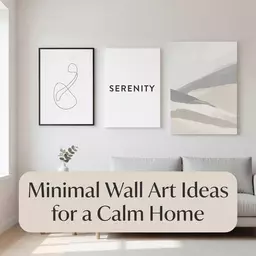
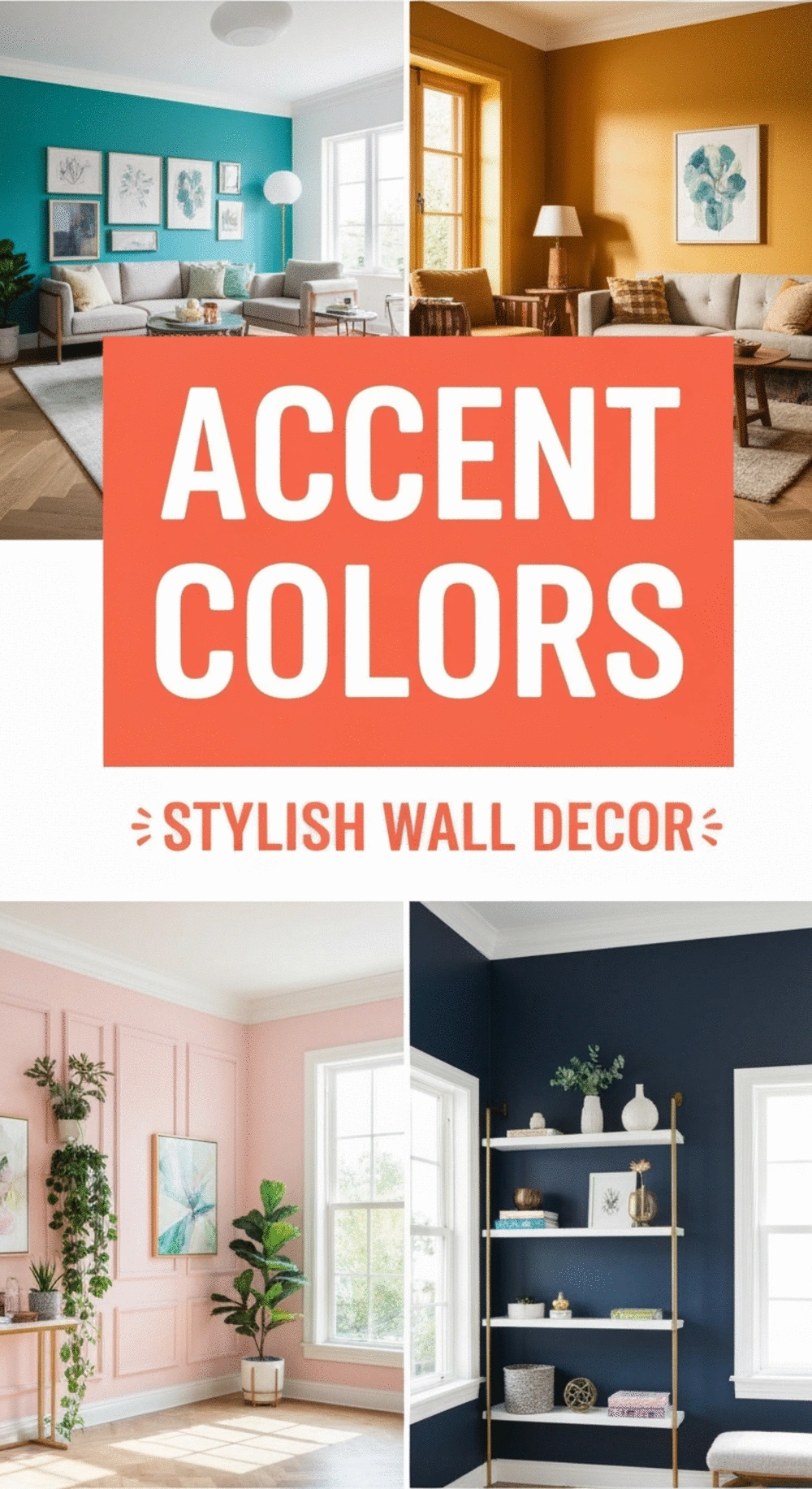
Colors are not just aesthetic choices; they can profoundly influence our emotions and the ambiance of our spaces. Are you ready to discover how to harness the power of accent colors to transform your home into a vibrant, welcoming sanctuary?
As an Amazon Associate I earn from qualifying purchases. Affiliate links may earn me a commission at no extra cost to you.
What You Will Learn
- Understanding color psychology can help you choose colors that evoke the desired emotions in each room.
- Familiarity with the color wheel aids in creating harmonious color combinations for your decor.
- Evaluating a room's purpose and lighting conditions is essential when selecting the right accent colors.
- Experimenting with shades can lead to unique decor that reflects your personal style and enhances your living space.
- Opting for eco-friendly materials contributes to a healthier home environment while improving aesthetics.
Understanding the Impact of Accent Colors on Wall Decor
Accent colors play a crucial role in wall decor, transforming a space from ordinary to extraordinary. They not only add vibrancy but also evoke emotions, making your home feel welcoming and personalized. In this section, we'll delve into the psychology of color, explore the fundamentals of color theory, and guide you in choosing the perfect accent colors for your walls.
Exploring Color Psychology: How Colors Affect Mood and Space
Have you ever noticed how certain colors can instantly change your mood? Color psychology reveals that colors can impact our emotions and perceptions. For instance, warm tones like reds and oranges can create a sense of energy and excitement, making them ideal for social spaces. In contrast, cooler shades like blues and greens are calming and promote relaxation, perfect for bedrooms or study areas.
- Red: Stimulates energy and passion.
- Blue: Enhances tranquility and calm.
- Yellow: Fosters happiness and optimism.
- Green: Symbolizes growth and harmony.
Understanding these emotional responses can guide your decisions when selecting colors that resonate with the atmosphere you want to create in your home. If you're interested in more about how colors influence your living space, check out my post on color psychology tips for boosting small space mood.
Understanding Color Theory: The Basics of the Color Wheel
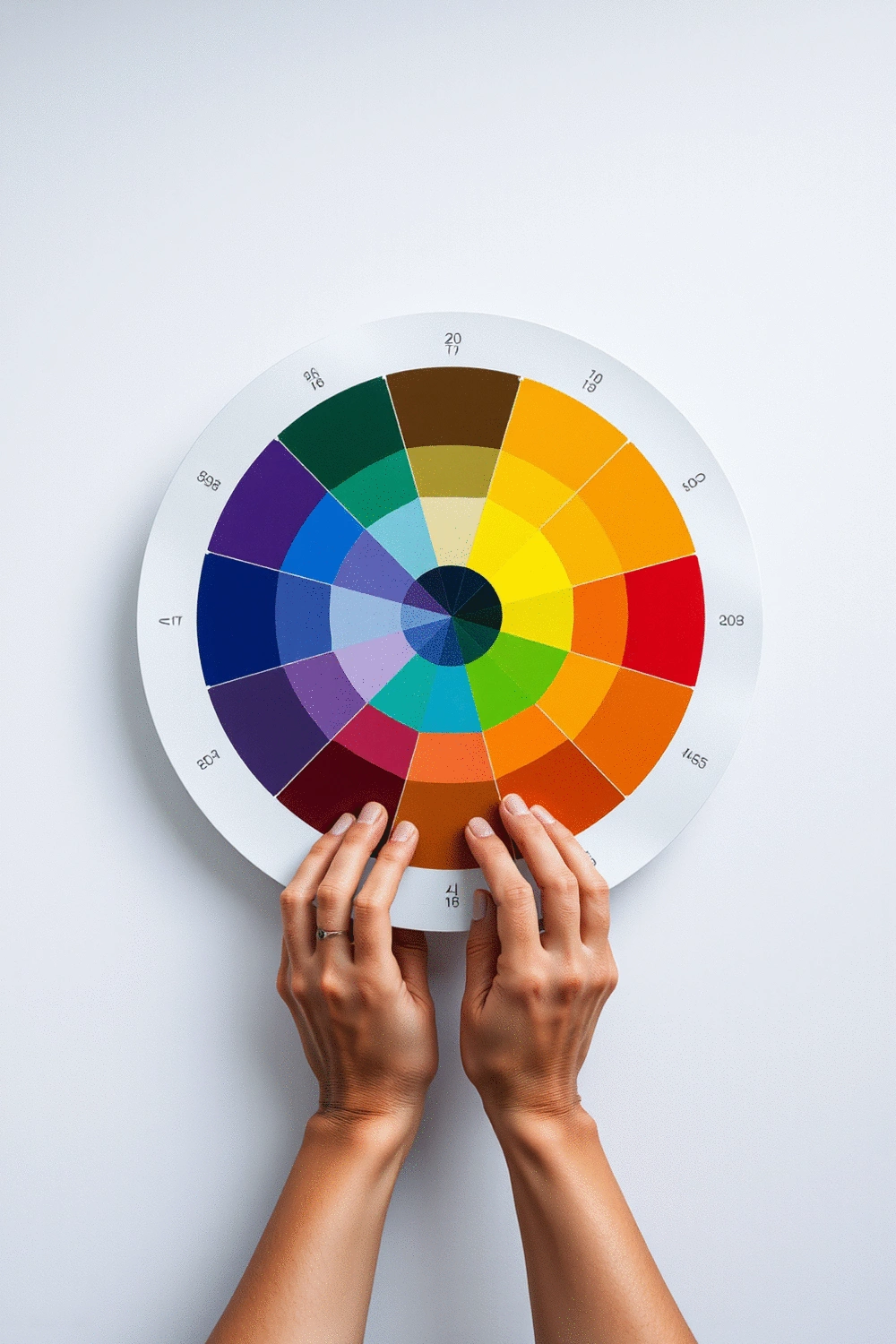
Color theory is the foundation of effective color selection. The color wheel consists of primary, secondary, and tertiary colors that interact in various ways. Understanding how colors work together can help you create a more harmonious environment. Here’s a quick breakdown:
- Primary Colors: Red, blue, yellow
- Secondary Colors: Green, orange, purple (made by mixing primary colors)
- Tertiary Colors: Created by mixing primary and secondary colors
Complementary, analogous, and triadic color schemes are also essential concepts to grasp. They can guide you in creating designs that are visually appealing and cohesive. For a deeper understanding of color combinations, be sure to read about mixing and matching colors for a gallery wall.
Choosing the Right Accent Color for Your Walls
Selecting an accent color is a fun yet crucial step in your decor journey. Consider the purpose of the room, the amount of natural light it receives, and the existing color palette. Here are some tips to help you choose:
- Evaluate the room's function: Energetic colors for play areas, calming tones for relaxation.
- Consider lighting: Bright spaces can handle darker hues, while dim ones benefit from lighter shades.
- Test samples: Paint small patches on the wall to see how colors interact with the light at different times of the day.
Choosing the right accent color can elevate your space, making it uniquely yours. If you'd love to see some trending colors for your walls, don't miss out on my post about trending paint colors for warm inviting walls.
Encouragement to Experiment with Accent Colors
Exploring accent colors is an exciting journey that allows you to personalize your space! Don’t be afraid to experiment with various shades and tones. Each room has its own function, and it’s essential to tailor your choices accordingly. For instance, warm tones like soft reds or yellows can create a cozy living room, while cool blues or greens might be perfect for a calming bedroom retreat.
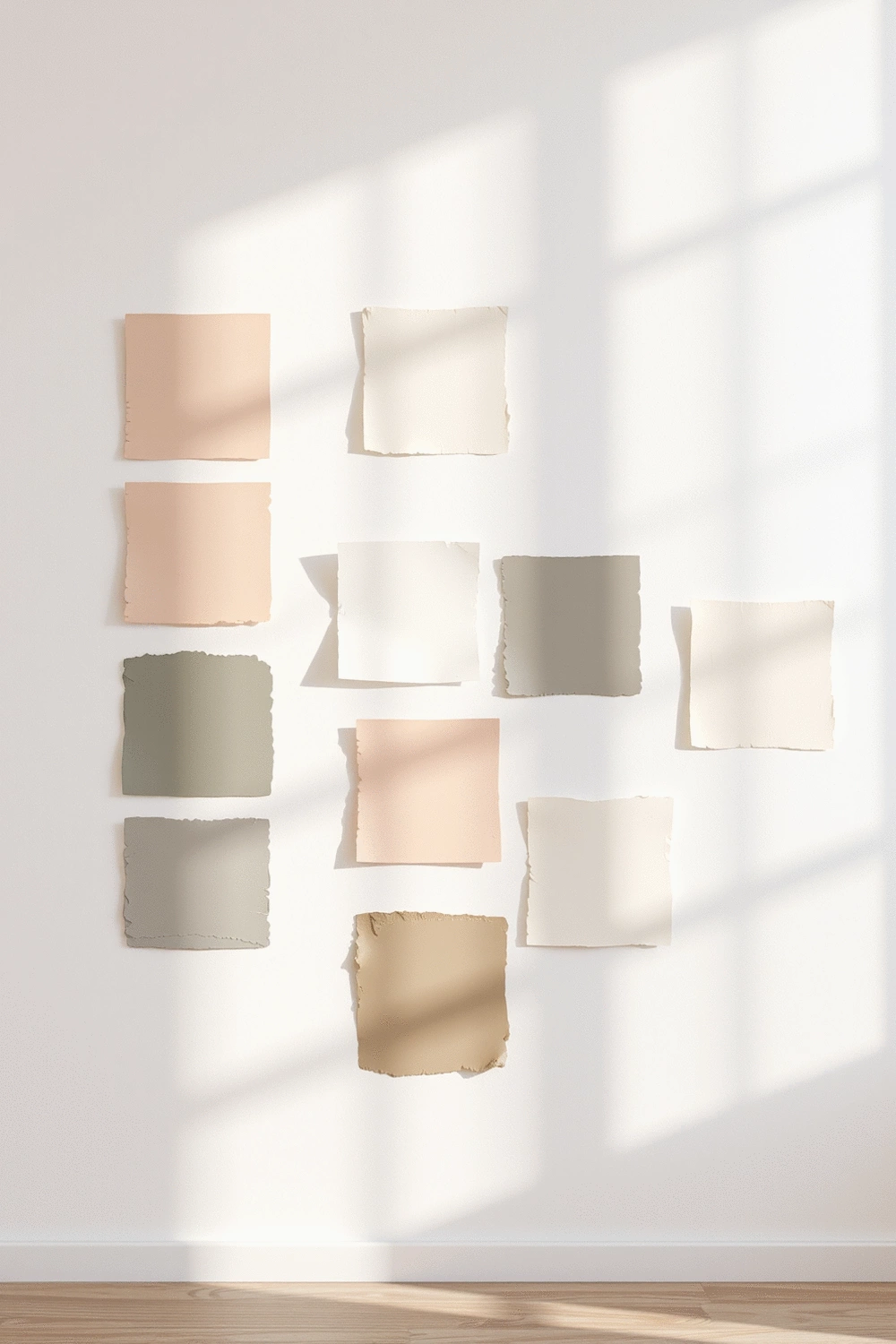
Here are a few tips to help guide your experiments:
- Consider the room's purpose: Is it a space for relaxation, work, or family gatherings?
- Think about the emotions you want to evoke: Different colors can inspire different feelings.
- Use color swatches before committing: This helps visualize how the colors interact with your existing decor.
Each decision can significantly enhance the overall vibe of your home. If you're curious about which color schemes work best, check out my post on how to choose the perfect color scheme for more insights!
Frequently Asked Questions About Accent Colors
- Q: What are accent colors?
- A: Accent colors are hues used to add emphasis, contrast, or vibrancy to a room's existing color scheme. They are often used on a single wall, in decorative items, or through furniture to draw attention and enhance the overall aesthetic.
- Q: How do I choose the right accent color for a room?
- A: Consider the room's purpose (e.g., energetic colors for play, calming for bedrooms), its lighting conditions (bright rooms can handle darker hues, dim rooms benefit from lighter shades), and test samples on your wall to see how they interact with light at different times of the day and with existing decor. Understanding color psychology and theory can also guide your choice.
- Q: What is color psychology, and how does it relate to accent colors?
- A: Color psychology is the study of how colors affect human mood, emotion, and behavior. When choosing accent colors, understanding this can help you select hues that evoke the desired atmosphere, such as red for energy, blue for calm, or yellow for happiness.
- Q: What is color theory, and why is it important for decorating?
- A: Color theory is a set of principles used to create harmonious color combinations. It involves understanding the color wheel (primary, secondary, and tertiary colors) and schemes like complementary, analogous, and triadic. This knowledge helps ensure your accent colors work well with other elements in your room, creating a cohesive and visually appealing space.
- Q: Can I use eco-friendly paints for accent walls?
- A: Yes, many brands now offer eco-friendly paints that are low in volatile organic compounds (VOCs). These options not only contribute to a healthier home environment by improving air quality but also support sustainable practices. You can also explore natural paint options made from plant-based ingredients.
Embracing Sustainable Options in Accent Color Choices
Eco-Friendly Materials and Paints for Conscious Decor
As we become more conscious of our environmental impact, choosing eco-friendly materials for your decor is a fantastic way to make a difference. Opting for sustainable paints and materials not only benefits the planet but also contributes to a healthier living space. Brands now offer paints that are low in volatile organic compounds (VOCs), ensuring cleaner air quality in our homes.
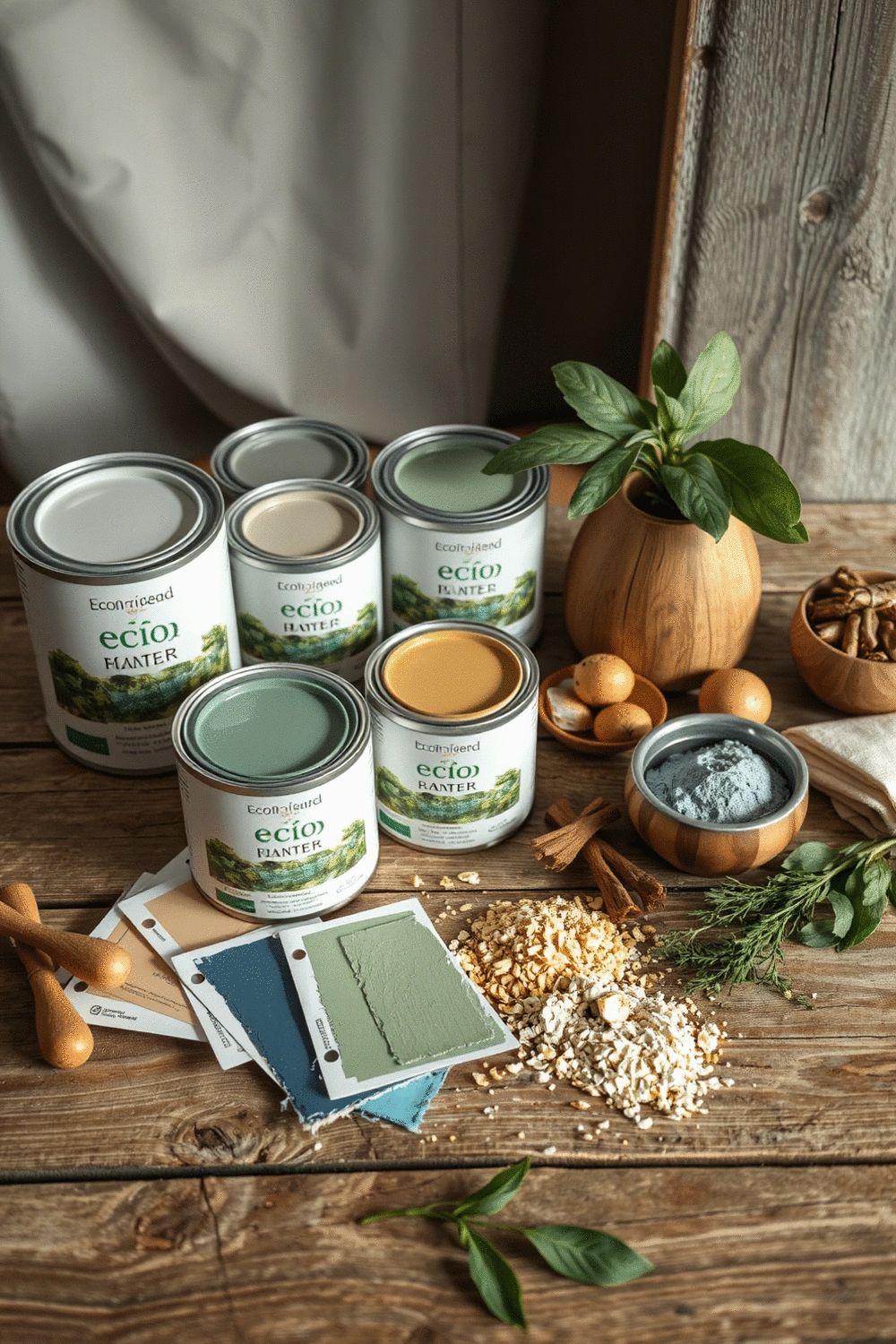
Here are some sustainable choices to consider:
- Natural paint options made from plant-based ingredients.
- Recycled materials for wall art and decor.
- Furniture made from reclaimed wood or sustainable sources.
Incorporating these materials can beautifully complement your chosen accent colors, creating a home that feels good and looks great! For more ideas on color palettes that are both stylish and sustainable, dive into my post on earthy vs. bold color palettes. You might also find inspiration for creating inviting spaces by exploring cozy design secrets, or learn about eco-friendly bedroom decor for a truly sustainable home.
Final Thoughts on Using Accent Colors for Enhanced Wall Decor
Inviting Reader Engagement: Share Your Experience with Accent Colors
Using accent colors is a powerful way to transform your walls and enhance the ambiance of your home. I’d love to hear how you’ve implemented accent colors in your own spaces! Have you found a combination that works wonderfully, or did you make a bold choice that surprised you? Sharing our experiences can inspire others to take those creative leaps! Please feel free to comment below or connect with me on social media to share your stories and ideas.
Recap of Key Points
Here is a quick recap of the important points discussed in the article:
- Accent colors significantly influence mood and perception in wall decor.
- Understanding color psychology helps in selecting colors that resonate with the desired atmosphere.
- Familiarity with color theory, including primary, secondary, and tertiary colors, is essential for harmonious design.
- When choosing accent colors, consider the room's purpose, lighting, and existing color scheme.
- Experimenting with different shades and tones allows for personalized decor that reflects individual style.
- Opting for eco-friendly materials and paints contributes to a healthier and more sustainable home environment.