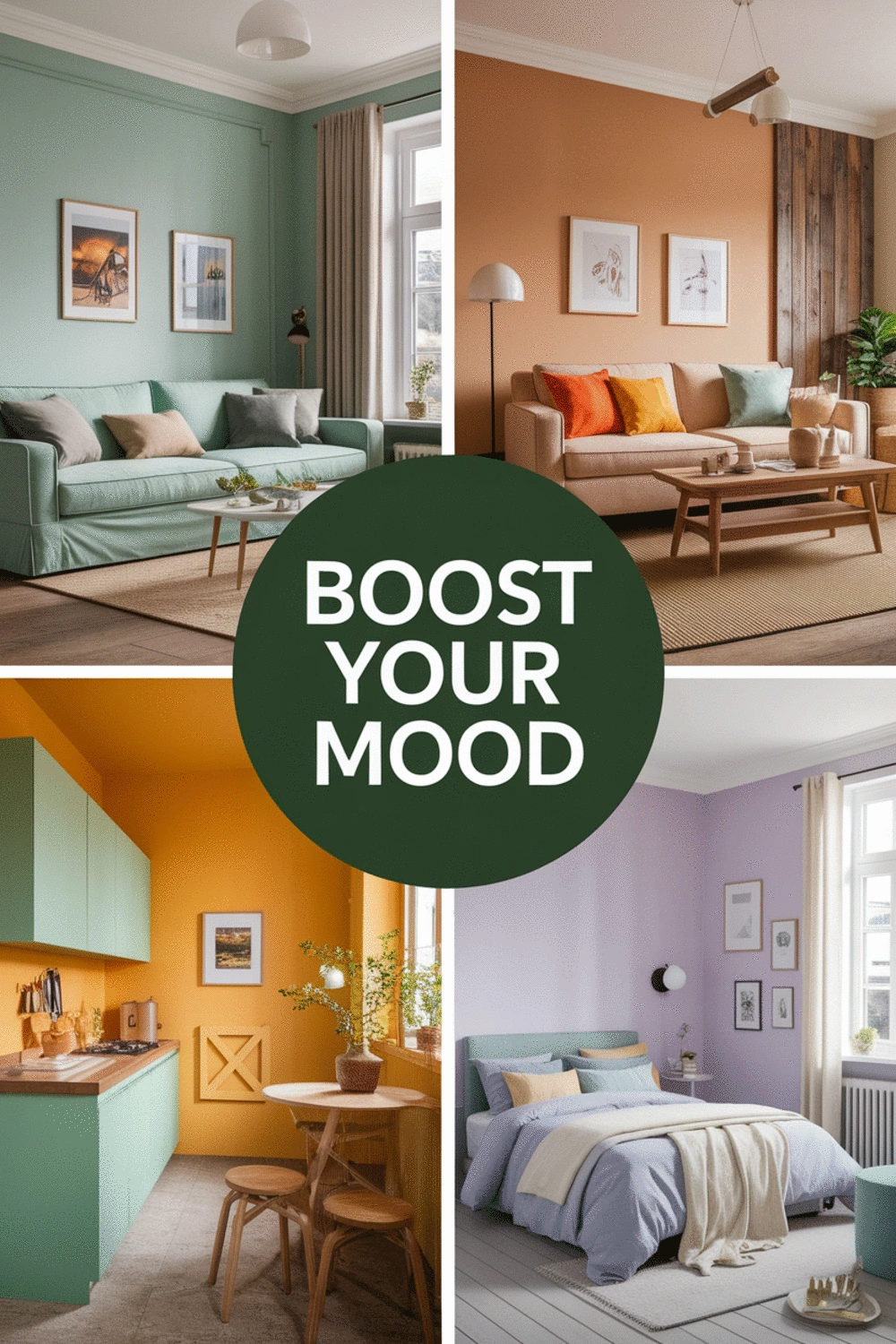
Consider how a simple change in color can elevate not just the aesthetics, but also the atmosphere of your home. By understanding color psychology, you can create spaces that resonate with your emotions and promote well-being.
As an Amazon Associate I earn from qualifying purchases. Affiliate links may earn me a commission at no extra cost to you.
What You Will Learn
- Colors have distinct psychological effects; red evokes passion while blue promotes tranquility.
- Warm colors enhance social interaction, whereas cool colors promote calmness and relaxation.
- Light colors can create an illusion of larger spaces, making them ideal for small rooms.
- Intentional color choices can significantly influence mood and behavior in home environments.
Understanding Color Psychology and Its Impact on Mood
Have you ever walked into a room and felt instantly uplifted or perhaps a bit on edge? That's the power of color psychology! Understanding how colors influence our emotions, energy, and perceptions can dramatically transform our living spaces. At Wall Art Cozy Space Vibes, we believe that every color tells a story, and using the right hues can enhance the vibe of your home.
Colors can create feelings of warmth, comfort, and even excitement. For example, a soft blue may evoke calmness, while a bright yellow can spark joy. By exploring the fundamentals of color psychology, we can unlock the secrets to creating spaces that resonate with our desired moods.
The Fundamentals of Color Psychology
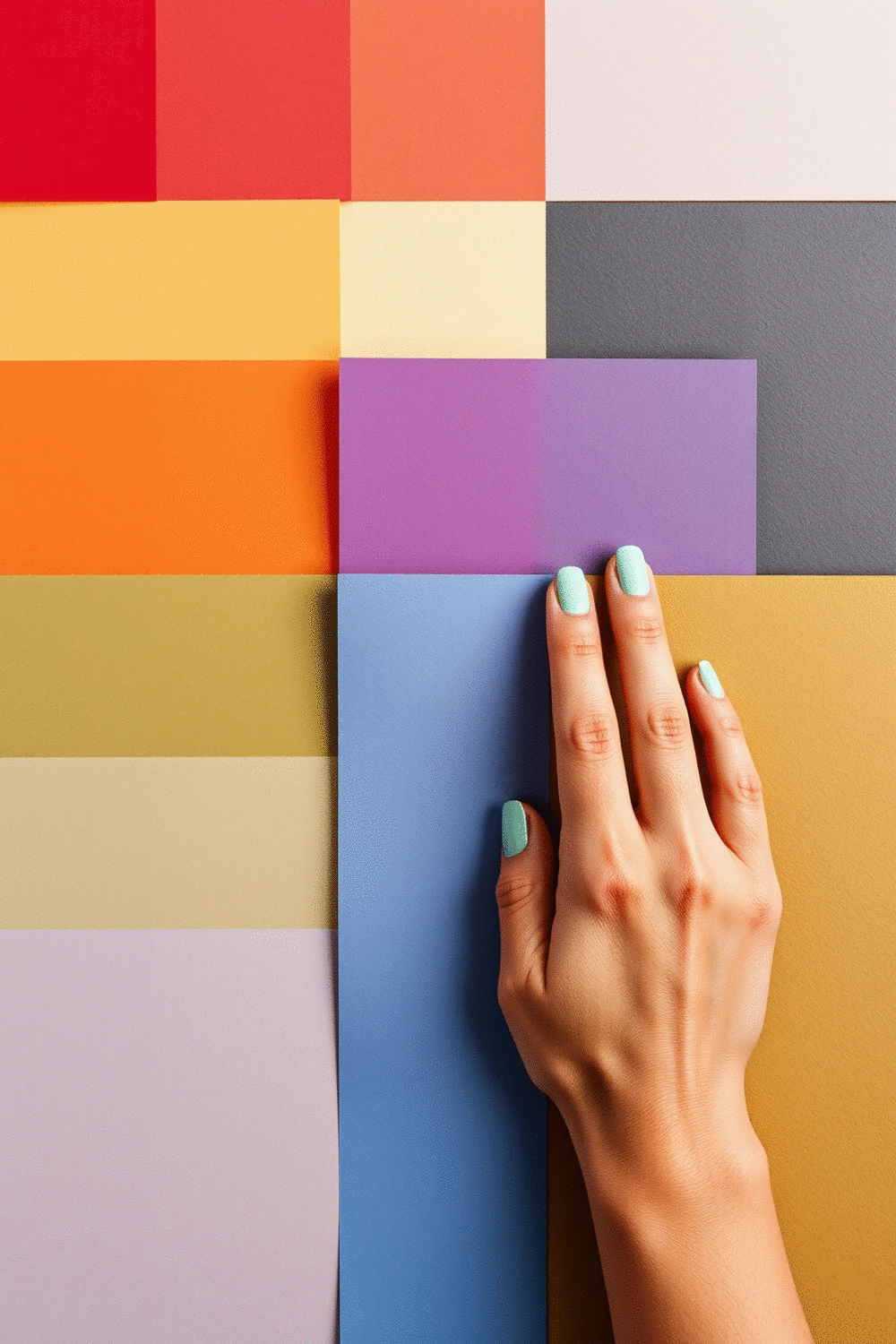
Color psychology is the study of how colors affect human behavior and emotions. Here’s a quick look at some basic principles:
- Red: Often associated with energy and passion.
- Blue: Promotes tranquility and harmony.
- Green: Evokes feelings of balance and reassurance.
- Yellow: Brings a sense of cheerfulness and optimism.
By understanding these principles, we can thoughtfully choose colors that align with our emotions and the atmosphere we want to create in our homes. When selecting wall art or decor, think about how these colors can enhance your cozy space vibes!
Scientific Insights into Color and Emotion
Research has shown that color can significantly impact our feelings. Experts like Dr. Angela Wright highlight that different colors can trigger specific emotional responses. For instance, in her studies, she discovered that warm colors tend to create feelings of warmth and comfort, while cool colors can invoke calmness or sadness.
Understanding these scientific insights allows us to make informed decisions when decorating our spaces. By incorporating colors that reflect our desired emotional state, we can cultivate environments that promote well-being and happiness. For more on creating inviting spaces, check out How to Create Inviting Spaces: Cozy Design Secrets.
Psychological Effects of Colors on Mood and Behavior
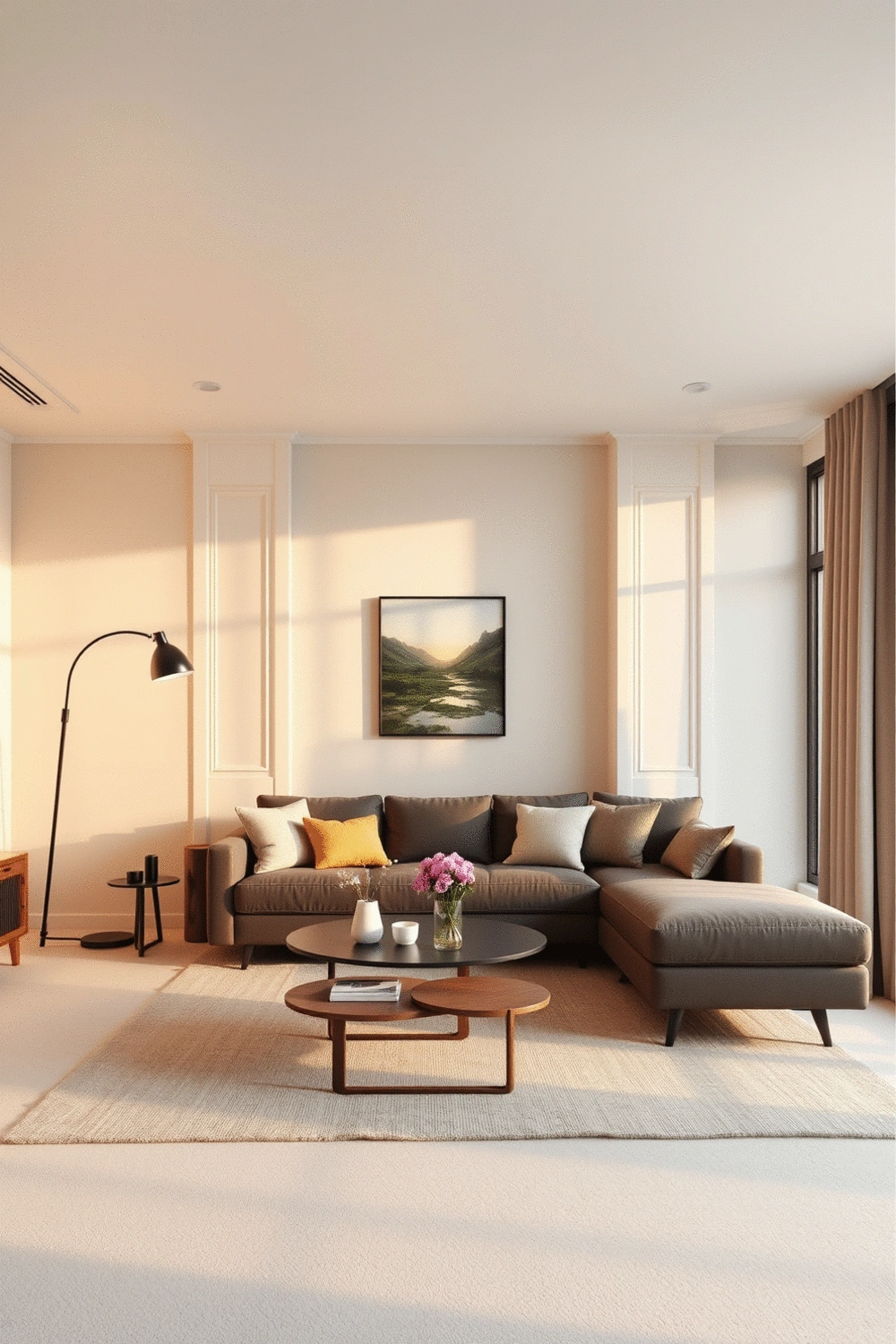
Colors can act as catalysts for our feelings and behaviors. For example, a vibrant orange can stimulate activity and excitement, making it a great choice for kitchens or play areas. Conversely, a muted gray may lead to feelings of sadness or lethargy, which is why it’s essential to choose wisely when selecting colors for your walls.
- Warm Colors: Encourage social interaction and energy.
- Cool Colors: Promote relaxation and calmness.
- Neutral Colors: Provide balance without overwhelming the senses.
By being intentional with our color choices, we can influence not just the aesthetics of our spaces but also the emotions they evoke. If you're keen to explore more on this topic, check out our post on discovering the best color palettes for a cozy living room!
Summarizing the Impact of Wall Colors on Mood and Room Ambiance
As we've explored, the impact of wall colors on mood and ambiance is profound, especially in small spaces. Colors can evoke emotions, create illusions of space, and even influence our daily behaviors. For instance, light colors like pale blue and off-white can make a room feel larger, while warm colors such as red and orange foster a cozy and inviting environment. Understanding the principles of color psychology is essential for anyone looking to enhance their living spaces.
- Light Colors: These shades can expand the perceived size of your room.
- Warm Colors: They encourage social interactions and a sense of comfort.
- Cool Colors: These promote tranquility and relaxation, perfect for bedrooms.
Integrating these color strategies into your home can transform ordinary walls into a canvas of emotions and experiences. Whether it's through a harmonious color palette or a striking accent wall, the choices you make can turn your space into a reflection of your personality and vibe.
Frequently Asked Questions About Color Psychology and Home Decor
- Q: What is color psychology?
- A: Color psychology is the study of how different colors affect human behavior, emotions, and perceptions, especially in specific environments like our homes.
- Q: How do warm colors affect mood?
- A: Warm colors (e.g., red, orange, yellow) tend to evoke feelings of energy, passion, comfort, and can encourage social interaction, making them suitable for lively spaces.
- Q: How do cool colors affect mood?
- A: Cool colors (e.g., blue, green, purple) generally promote feelings of tranquility, calmness, relaxation, and harmony, often used in bedrooms or spaces for unwinding.
- Q: Can color make a small room look larger?
- A: Yes, light colors like pale blue, off-white, and other pastels can create an illusion of space, making a small room appear larger and more open.
- Q: How can I use color to improve my home's ambiance?
- A: By intentionally choosing colors that align with your desired emotional state for each room. For instance, use calming blues in a bedroom and energizing yellows in a kitchen to enhance specific moods and activities.
Taking Action: Transform Your Space with Thoughtful Color Choices
Now is the perfect time to experiment with color selections in your own home! I invite you to consider how different hues can enhance the feel of your space. Don’t hesitate to play around with combinations that resonate with your lifestyle—remember, every color has a story to tell! If you're unsure where to start, check out my post on choosing the perfect color scheme for inspiration. You might also find tips on creating a peaceful bedroom in 10 Essential Tips to Create a Peaceful Sleep Space.
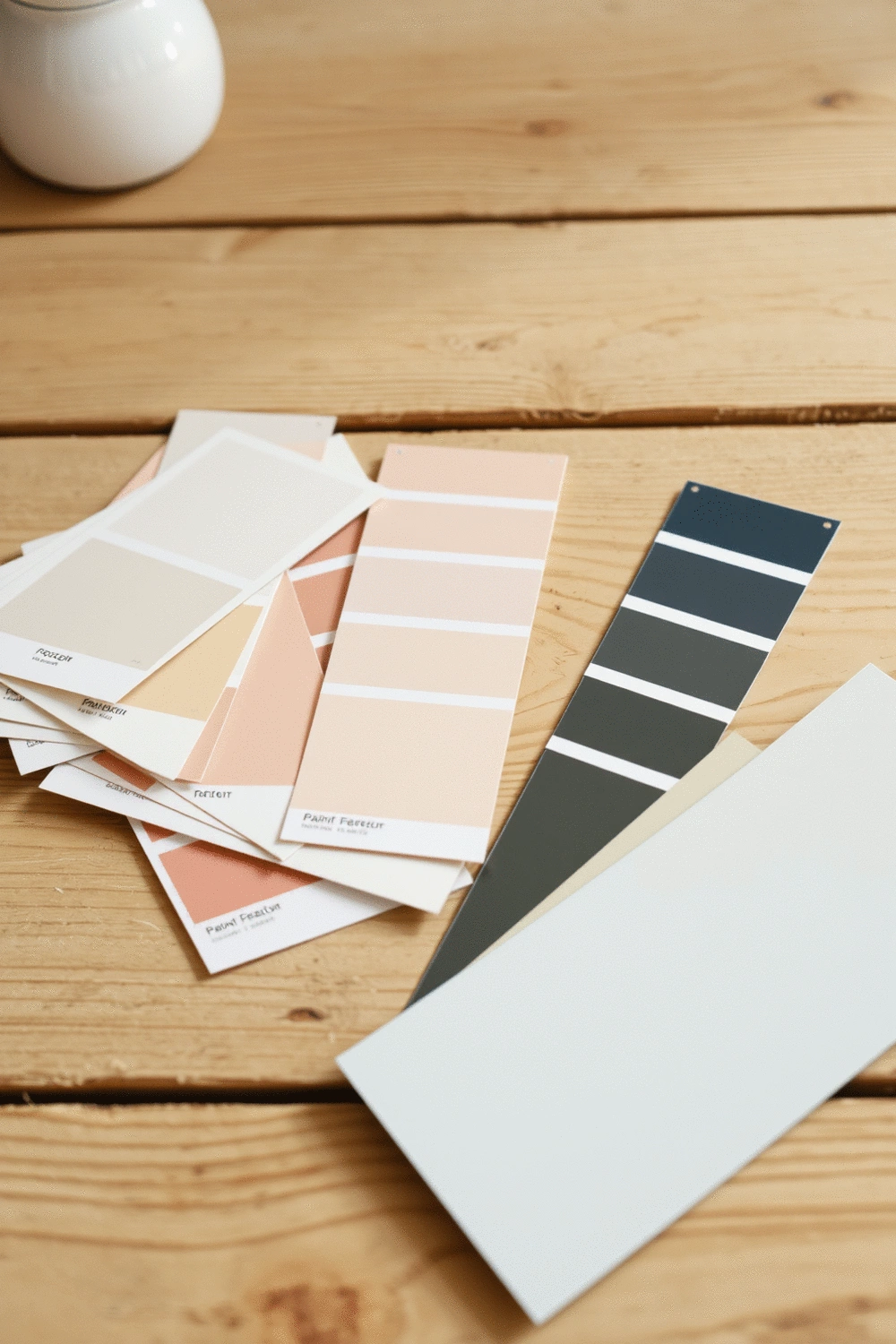
Once you've made your selections, take the leap! Share your experiences with me, or if you need some extra guidance, I'm here to help. Together, we can create a cozy atmosphere in your home that reflects your unique style and personality. Let's make every room a beautiful and inviting space!
Recap of Key Points
Here is a quick recap of the important points discussed in the article:
- Understand Color Psychology: Colors significantly affect emotions, energy, and perceptions in our living spaces.
- Fundamental Color Principles: Red evokes energy, blue promotes tranquility, green offers balance, and yellow sparks joy.
- Choose Wisely: Selecting colors that align with your desired mood can transform your living environment.
- Impact of Wall Colors: Light colors create an illusion of space, while warm colors foster coziness and social interaction.
- Experiment with Color: Don’t hesitate to play around with different hues to enhance the vibe of your home.