Did you know that the colors you choose for your child's room can significantly influence their mood and behavior? Understanding color psychology can help create an environment that supports their growth and emotional well-being.
As an Amazon Associate I earn from qualifying purchases. Affiliate links may earn me a commission at no extra cost to you.
What You Will Learn
- Calming colors, such as soft blues and greens, promote relaxation in children's spaces.
- Energetic colors like bright yellows and reds can stimulate playfulness and creativity.
- Choosing colors based on a room's function enhances focus in study areas and energy in play zones.
- Interactive quizzes can help tailor color choices to your child's personality and preferences.
- DIY painting tips can make room transformations budget-friendly and enjoyable.
- Wall decals and murals offer an easy way to add color and character without permanent changes.
Understanding Color Psychology for Kids’ Rooms
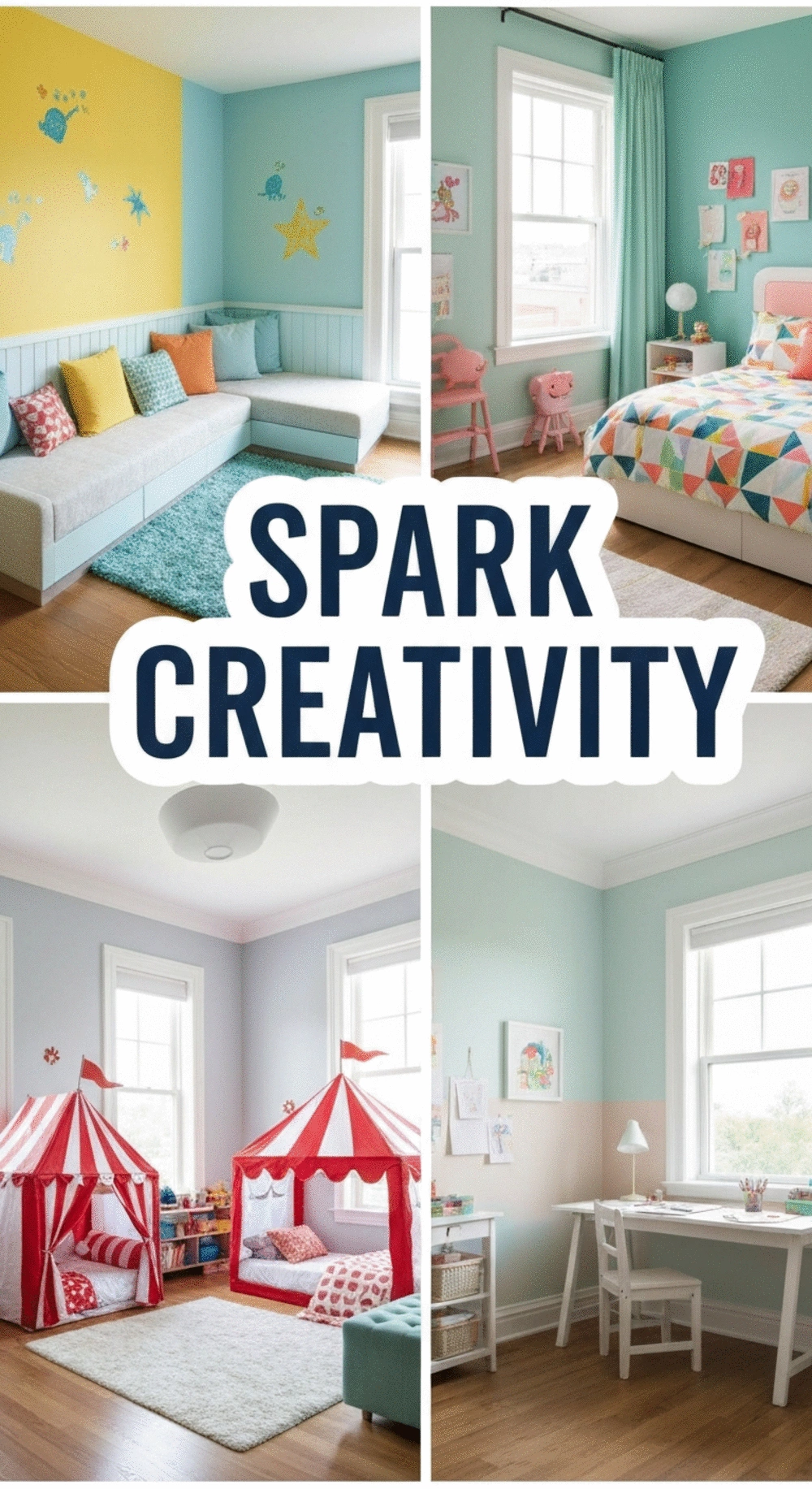
As a passionate interior design enthusiast, I've always been fascinated by how color psychology can influence our emotions and behaviors, especially in children's spaces. Understanding the impact of different colors on kids can help create environments that support their growth and well-being. For instance, calming hues like soft blues and greens can promote relaxation, while energetic colors like bright yellows and reds can invigorate and inspire playfulness!

How Colors Affect Mood and Behavior
Colors play a significant role in shaping children's moods and behaviors. Research shows that warm colors, such as reds and oranges, can create a sense of excitement and energy, making them ideal for play areas. On the other hand, cooler tones like blue and purple are known for their calming effects, perfect for spaces dedicated to rest and study.
- Calming Colors: Soft blues and greens encourage relaxation.
- Energetic Colors: Bright yellows and reds stimulate activity and enthusiasm.
- Neutral Tones: Shades like beige and gray can provide a balanced backdrop that allows other colors to stand out.
When designing a child's room, it's essential to consider how these colors can work together to create a harmonious atmosphere that nurtures their creativity and emotional health.
Choosing Colors Based on Room Functionality
Each room in your child's home serves a different purpose, and the colors you choose should reflect that functionality. For example, a study area could benefit from cool, focused colors like teal or gray to enhance concentration. Meanwhile, a playroom might be invigorated by vibrant colors that spark creativity and fun.
- Play Areas: Bold reds and oranges for energy
- Study Spaces: Cool blues and greens for focus
- Relaxation Zones: Soft pastels for calmness
By thoughtfully selecting colors based on each room's function, you can create spaces that not only look great but also support your child’s developmental needs. For more insights into color psychology and how to use it effectively in your home, check out my post on color psychology tips for boosting small space mood.
Engaging with Color Palette Selection Tools
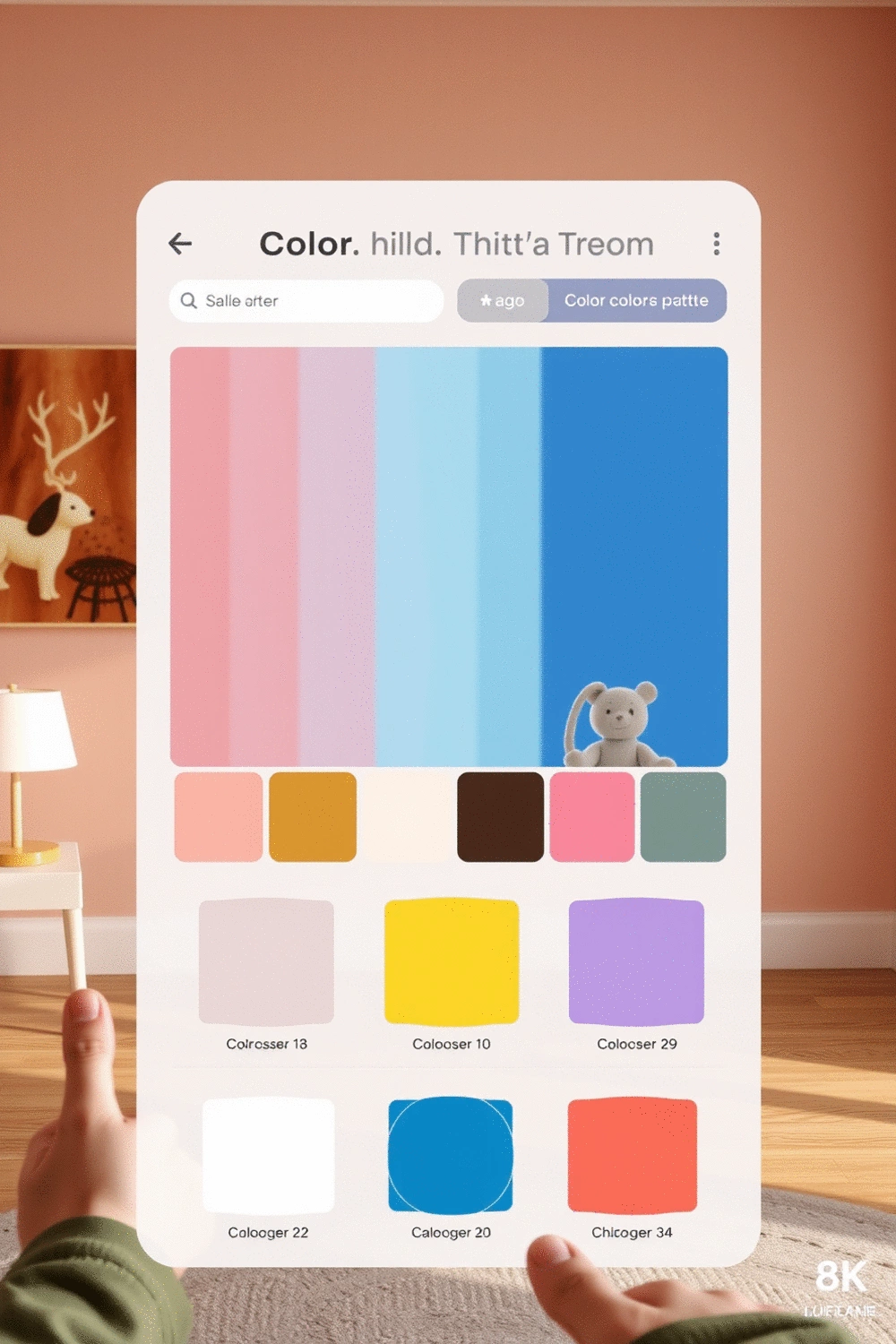
Choosing the perfect color palette for your child's room can feel overwhelming, but it doesn't have to be! With the right color palette selection tools, the process can be not only easy but also fun. One great way to start is by using interactive quizzes designed to help parents select colors based on their child's personality and the specific functions of the room. These quizzes guide you through the process, making it easier to find shades that resonate with your child's unique vibe.
Interactive Quizzes to Find the Perfect Palette
Interactive quizzes are a delightful way to engage with your child's preferences! They often ask questions about your child's interests, favorite activities, and even their mood to recommend colors that will create a harmonious environment. For example, if your child loves nature, the quiz might suggest earthy greens and soothing browns. You can check out more tips about color psychology in spaces through my post on color psychology tips.
- Helps tailor colors to your child's personality.
- Offers a range of suggestions based on various themes.
- Makes color selection an engaging and interactive experience.
By taking these quizzes, you can discover palettes that not only look great but also make your child feel comfortable and happy in their space!
DIY and Budget-Friendly Painting Tips
Painting your child's room doesn't have to break the bank! Here are some DIY and budget-friendly tips to help you create a stunning space without overspending:
- Use leftover paint for small accent walls or furniture pieces.
- Get creative with stencils to add fun designs with minimal effort.
- Consider using painter's tape to create patterns and shapes on the walls.
These ideas not only save money but also add a personal touch to your child's room. Plus, involving your little ones in these projects can make the experience more enjoyable and memorable! For more ideas on how to create a cozy home, explore how to use wall art for a cozy home atmosphere, and for enhancing sleep spaces, check out kids bedding ideas for fun and restful sleep.
Utilizing Wall Decals and Murals for Color Enhancement
If you're looking to add some character without the commitment of permanent paint, wall decals and murals are the way to go! They can instantly brighten up a room and introduce vibrant color themes. Here are some benefits of using these decorative elements:
- Easy to apply and remove, perfect for changing styles.
- Available in a wide variety of themes, from animals to fantasy worlds.
- Can enhance the color scheme without the hassle of painting.
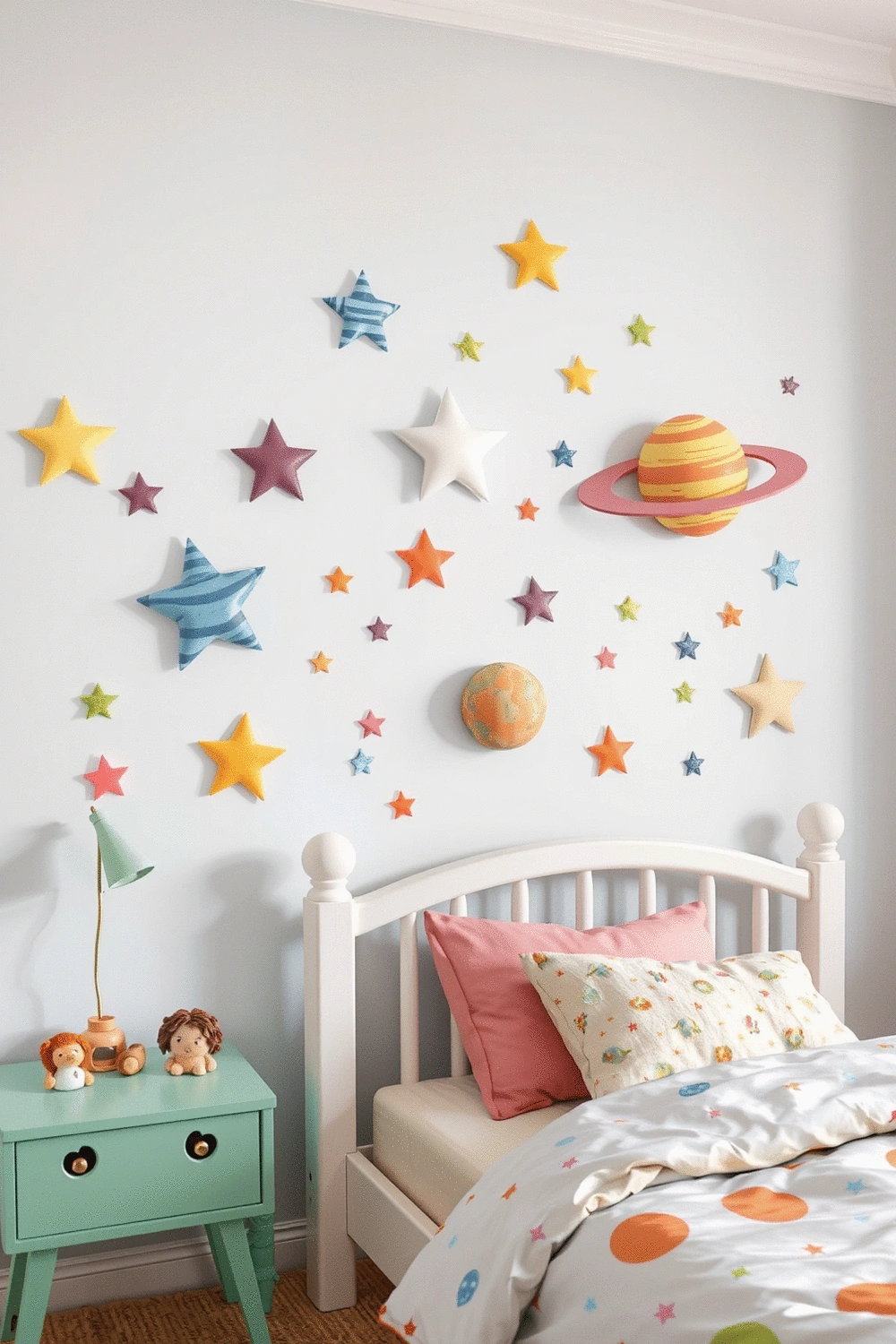
Incorporating decals or murals not only adds vibrancy but also makes the room feel more tailored to your child's interests. It's a fantastic way to enhance your child's space while keeping it flexible for future changes!
Recap of Key Points
Here is a quick recap of the important points discussed in the article:
- Color Influence: Soft blues and greens promote relaxation, while bright yellows and reds stimulate energy and playfulness.
- Room Functionality: Choose colors based on the room's purpose; cool tones for study areas and vibrant colors for playrooms.
- Engagement Tools: Utilize interactive quizzes to find the perfect color palette that resonates with your child's personality.
- DIY Tips: Save money by using leftover paint, stencils, and painter's tape for creative designs.
- Decorative Elements: Wall decals and murals can easily enhance a child's space with vibrant themes without permanent commitment.
Frequently Asked Questions (FAQs)
How do colors affect a child's mood?
Colors significantly influence a child's mood and behavior. Warm colors like reds and oranges can create excitement and energy, while cooler tones like blues and purples promote calmness and relaxation.
What colors are best for a child's study area?
For study areas, cool, focused colors like teal or gray are recommended as they can help enhance concentration and focus.
Can interactive quizzes really help me choose colors?
Yes, interactive quizzes are designed to help parents select colors based on their child's personality, interests, and the room's function, making the selection process easier and more enjoyable.
What are some budget-friendly painting tips for a child's room?
Budget-friendly tips include using leftover paint for accent walls, getting creative with stencils, and using painter's tape to create patterns and shapes, which also adds a personal touch.
Are wall decals and murals a good alternative to paint?
Yes, wall decals and murals are excellent for adding character and vibrant color themes without the commitment of permanent paint. They are easy to apply and remove, offering flexibility for future changes.