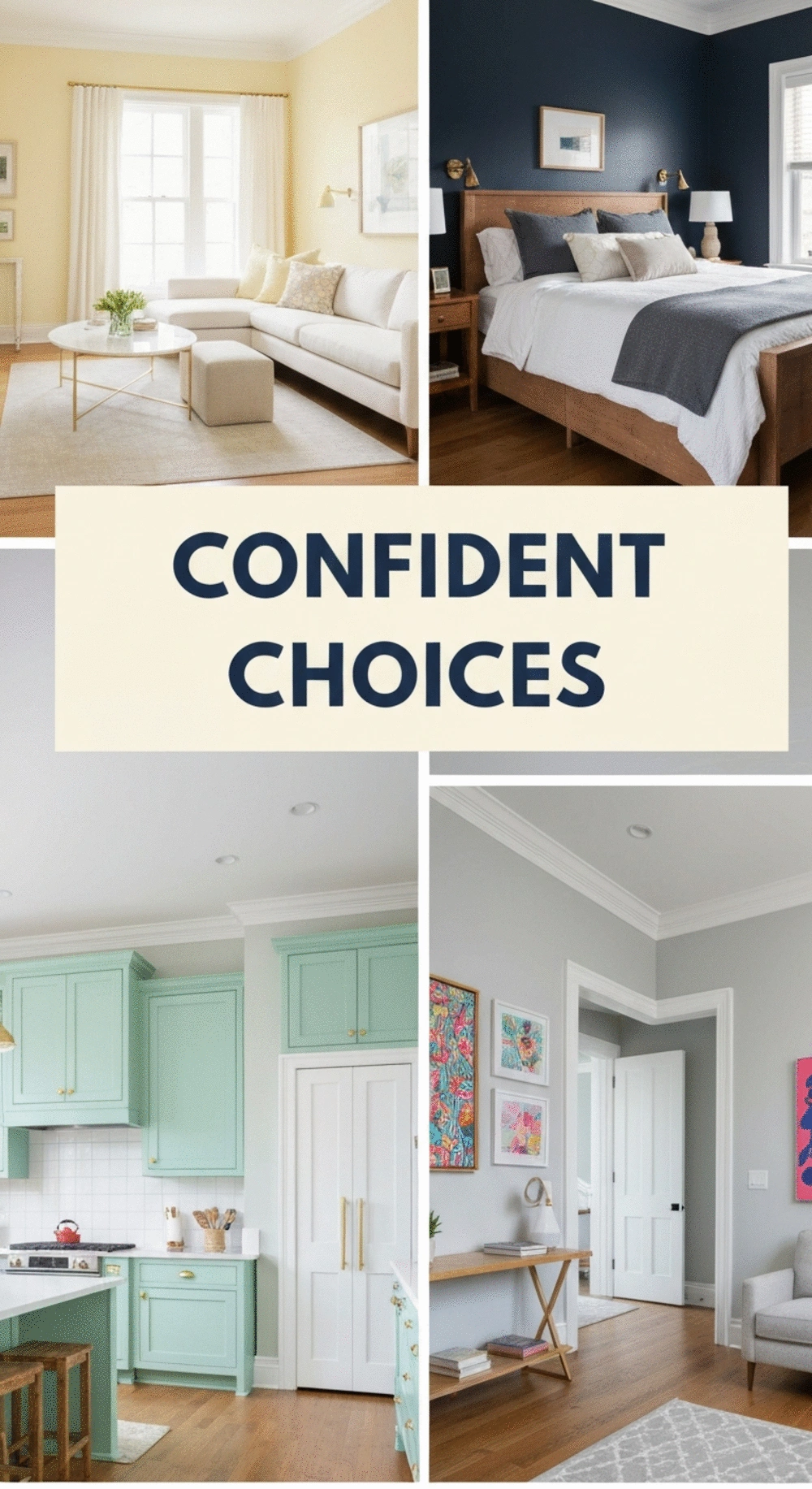
What if the color you pick for your living room doesn't match your vision at all? This common experience, often called "color regret," can easily be avoided with a simple step: testing paint colors. By understanding how colors interact with space and light, you can create a warm and inviting atmosphere that truly reflects your style.
As an Amazon Associate I earn from qualifying purchases. Affiliate links may earn me a commission at no extra cost to you.
What You Will Learn
- The significance of testing paint colors to see how they interact with your space and lighting.
- Common mistakes to avoid, such as rushing the decision process and not considering lighting conditions.
- How to prevent "color regret" and ensure your final choices resonate with your personal style.
- Effective testing strategies like using large sample applications and digital visualization tools.
Understanding the Importance of Testing Paint Colors
Choosing the right paint color for your home can feel overwhelming. I’ve been there too—standing in the paint aisle, surrounded by endless color swatches, and feeling a mix of excitement and confusion. Understanding the importance of testing paint colors is crucial in avoiding common pitfalls when it comes to color selection.
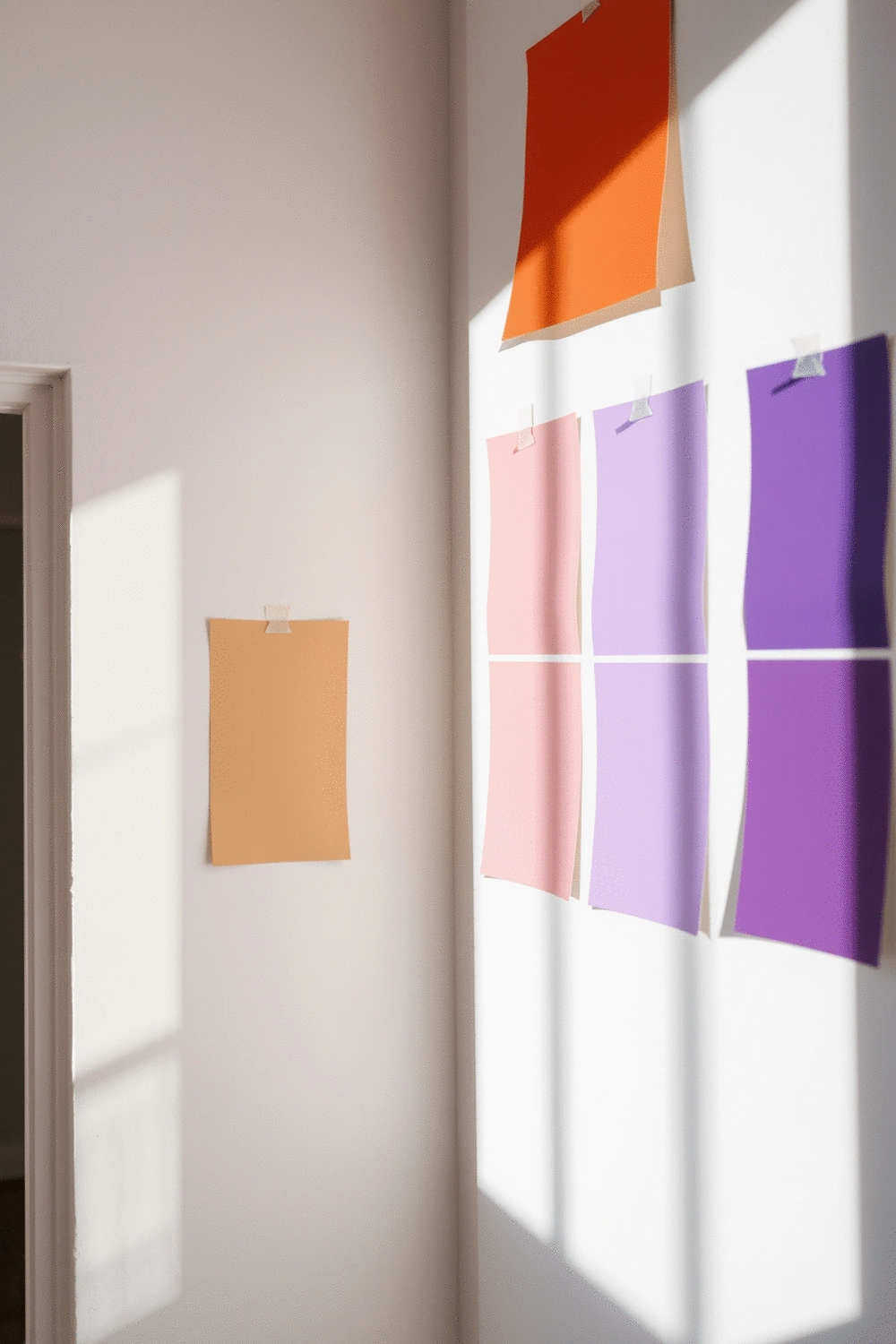
So, why is testing so vital? It allows you to see how colors interact with your space and lighting, ensuring that you create a cozy atmosphere that feels just right. A little preparation and insight can save you from making costly mistakes down the line!
Avoiding Common Mistakes in Color Selection
- Rushing the decision process.
- Choosing a color based solely on a small swatch.
- Ignoring how lighting affects color perception.
- Forgetting to consider existing decor and furniture.
Many homeowners underestimate how different lighting conditions can alter paint colors. I always recommend testing colors at various times of the day to see how they change. Create a space that feels inviting by using tools found in my post on choosing the perfect color scheme for inspiration.
The Cost of Color Regret: Why Testing Matters
Imagine investing time and money into painting a room, only to realize that the color you selected doesn’t match your vision at all! This phenomenon is often referred to as color regret, and it's more common than you might think. Properly testing colors helps you avoid this costly mistake, ensuring that you love the final look.
Testing can also save you from additional expenses down the line—like hiring professionals to repaint or purchasing extra materials. If you want to dive deeper into color psychology and how it can boost your mood, check out my guide on color psychology tips! For further insights into creating a harmonious home, explore the secrets to cozy design.
Final Thoughts on Testing Paint Colors Before Committing
As we wrap up our exploration of paint color testing, it’s essential to remember the value of effective testing strategies. By taking the time to test colors properly, you can avoid costly mistakes and ensure your final choices resonate with your personal style and the ambiance you wish to create. Here’s a quick recap of the strategies we've discussed:
- Utilize large sample applications to see colors in context.
- Consider lighting conditions carefully to observe how colors change.
- Don't shy away from digital tools and peel-and-stick samples for quick adjustments.
Every step you take in this process paves the way for a more cohesive and inviting atmosphere in your home. It’s all about finding what feels right to you!
The Value of Patience in the Color Selection Process
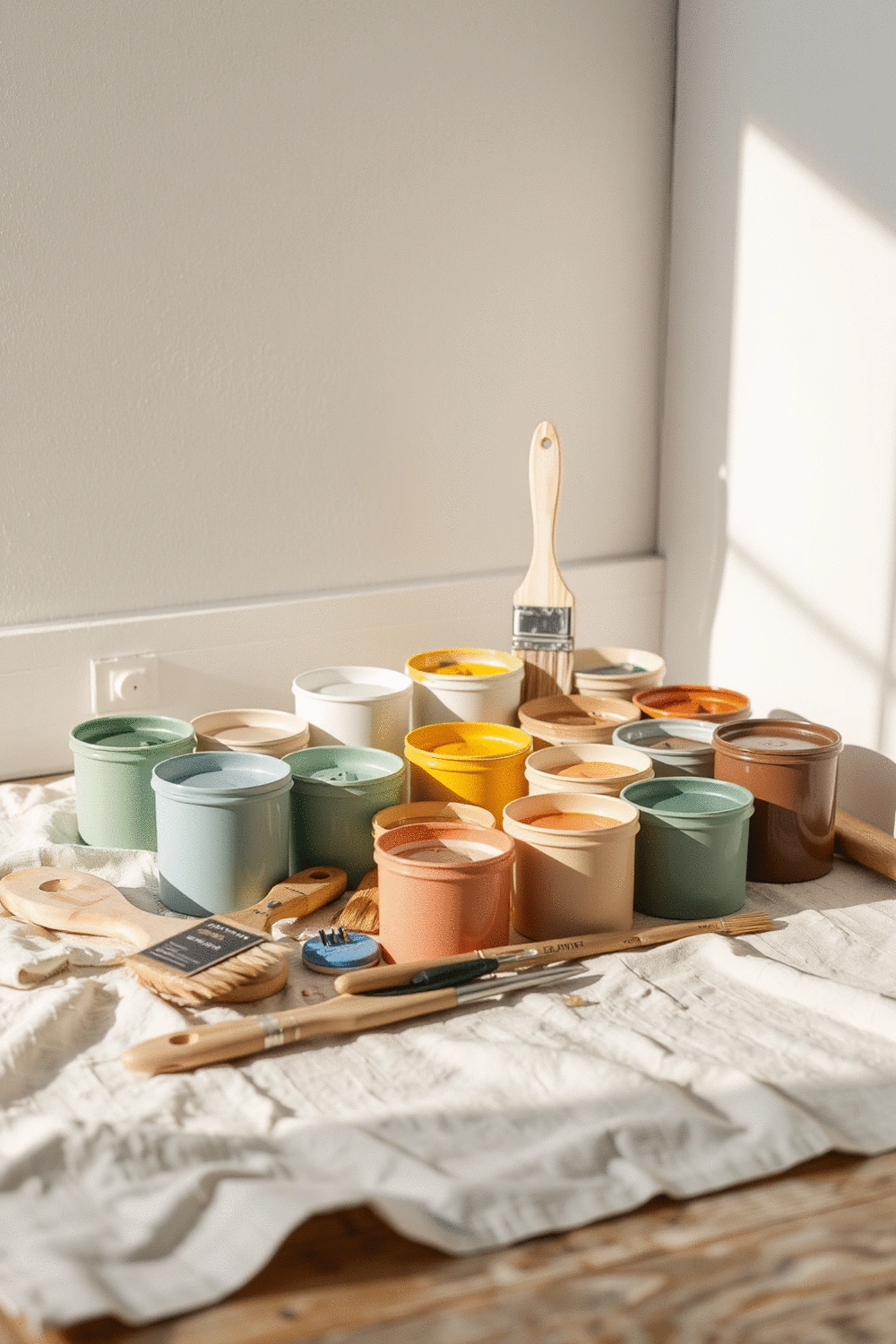
Patience might be the most crucial element in selecting paint colors. Rushing could lead to choices you may regret later. Take time to let colors settle on your walls and observe how they interact with your furniture and décor. I often find that stepping back and allowing the colors to “speak” to you can reveal more than a quick decision ever could. Think of your space as a canvas—each choice adds a stroke to your masterpiece!
Remember, this is a journey of personal expression, and your home should embody a sense of comfort and warmth. As you go through this process, consider how colors reflect your personality and the mood you want to achieve.
Frequently Asked Questions (FAQs)
- Why is testing paint colors important?
- Testing paint colors is crucial because it allows you to see how colors interact with your specific space and lighting conditions, helping to prevent "color regret" and costly repainting mistakes.
- What are common mistakes to avoid when selecting paint colors?
- Common mistakes include rushing the decision, choosing colors based only on small swatches, ignoring how different lighting affects color perception, and not considering existing decor and furniture.
- How can I effectively test paint colors?
- Effective testing strategies involve using large sample applications on your walls, observing colors at various times of the day, and utilizing digital visualization tools or peel-and-stick samples.
- What is "color regret"?
- "Color regret" refers to the common experience of investing time and money into painting a room, only to find that the chosen color doesn't match your vision or expectations once applied to the walls.
- Are there tools to help with paint color selection?
- Yes, resources like paint calculators can help determine quantities, color visualizer apps can show how colors look in your space, and mood boards can help gather inspiration and visualize cohesive designs.
Action Steps for Your Painting Project
Resources for Further Assistance: Recommended Tools and Apps
To help you on your color journey, here are some fantastic resources to consider:
- Paint Calculators: These handy tools help you figure out how much paint to buy, ensuring you get the right amount for your project without overspending.
- Color Visualizers: Many paint brands offer apps to help you visualize how different colors will look in your space.
- Blogs and Articles: Dive into various pieces like How to Choose the Perfect Color Scheme for Your Bedroom Gallery Wall for inspiration!
Using Paint Calculators to Determine Purchase Quantity
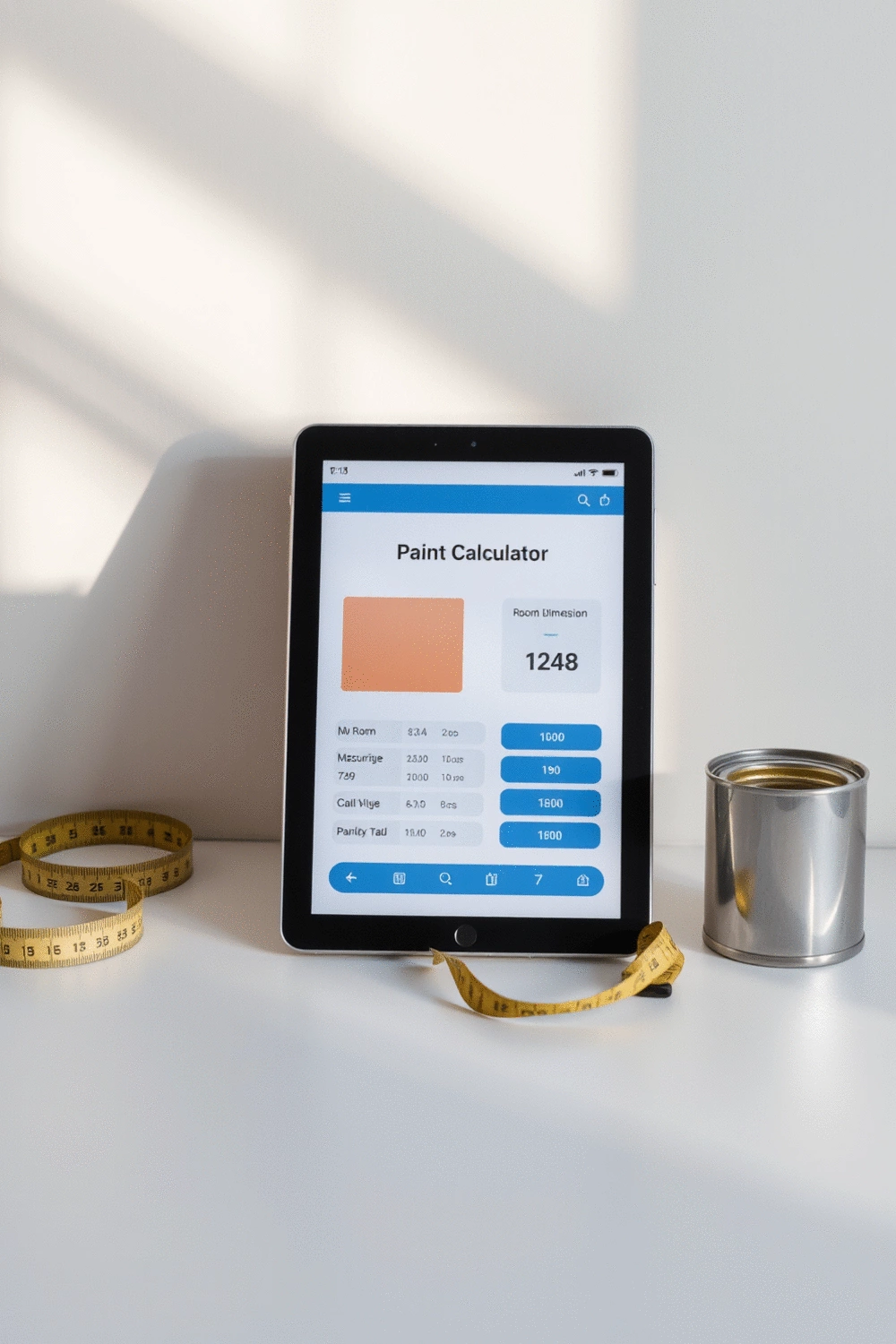
Paint calculators are a game-changer! By simply entering your room dimensions, these tools can estimate how many gallons of paint you’ll need. This not only saves you time but also helps keep your budget on track. It’s like having a personal assistant for your painting project!
Encouragement to Experiment with Your Color Choices
Don’t be afraid to experiment with your color choices. The beauty of painting is that it’s a reversible decision—if you don’t love a color, you can always change it! Trust your instincts and allow yourself to play with tones, shades, and combinations that excite you.
Creating Mood Boards for Design Inspiration
Lastly, creating mood boards can be an invaluable step in your design process. Not only do they help visualize how colors will interact with your decor, but they also serve as a tangible reminder of your inspiration. Gather swatches, fabric samples, and images that resonate with your vision. This will guide you toward a cohesive and inviting space that truly feels like home! You might also find inspiration for a minimalist yet cozy bedroom.
For additional ideas on color combinations and creating an inviting atmosphere, check out our post on Color Psychology Tips for Boosting Small Space Mood. It’s filled with insights that can elevate your painting project to new heights!
Recap of Key Points
Here is a quick recap of the important points discussed in the article:
- Test paint colors in your space to see how they interact with lighting and existing decor.
- Avoid rushing the color selection process to prevent color regret.
- Use large sample applications and consider different times of day for accurate color perception.
- Explore digital tools and peel-and-stick samples for flexibility in your color choices.
- Create mood boards to visualize how colors will work with your overall design aesthetic.