Did you know that the way colors are used in your home can significantly influence your mood and the overall atmosphere? Color blocking is not just a design trend; it’s a powerful tool for transforming your space into a reflection of your personality.
As an Amazon Associate I earn from qualifying purchases. Affiliate links may earn me a commission at no extra cost to you.
What You Will Learn
- Color blocking enhances visual interest, allowing you to create dynamic elements that stand out.
- This technique encourages creativity by offering endless combinations of colors and patterns.
- Using color strategically can define different areas in a room, making it feel more organized.
- Different colors evoke specific feelings; leverage this to enhance the mood of your space.
- Incorporating textures and accessories alongside color can add depth and interest to your design.
- Experimentation is key! Don’t shy away from pairing unexpected colors to reflect your unique style.
Understanding Color Blocking for Stylish Walls
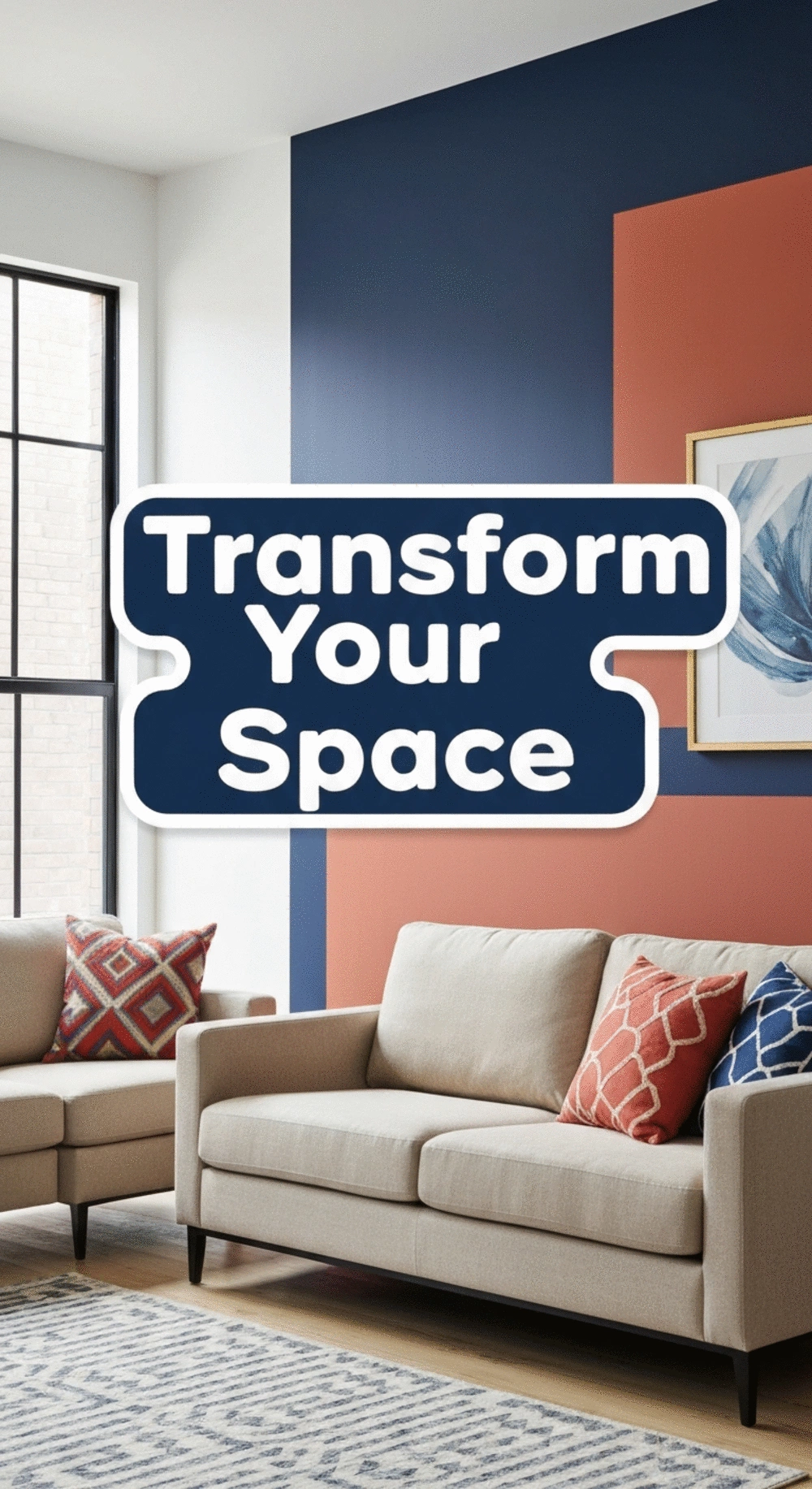
Color blocking is a fantastic way to add a splash of personality and flair to your walls! It involves combining different colors in bold, contrasting blocks, creating a striking visual impact. As the creative mind behind Wall Art Cozy Space Vibes, I believe this technique can transform any room into a stylish haven that reflects your unique taste.
So why choose color blocking? This technique allows you to play with colors and patterns, making your walls a central feature in your home decor. It’s not just about aesthetics; it’s also an opportunity for personal expression. By selecting colors that resonate with you, you can create a cozy atmosphere that feels inviting and warm.
What is Color Blocking and Why Choose This Technique?
Color blocking is all about the strategic use of colors to enhance the visual appeal of your space. This technique can break up larger areas, create focus points, and even influence how we perceive space. For instance, using lighter shades can make a room feel more open, while darker colors can add depth and intimacy.
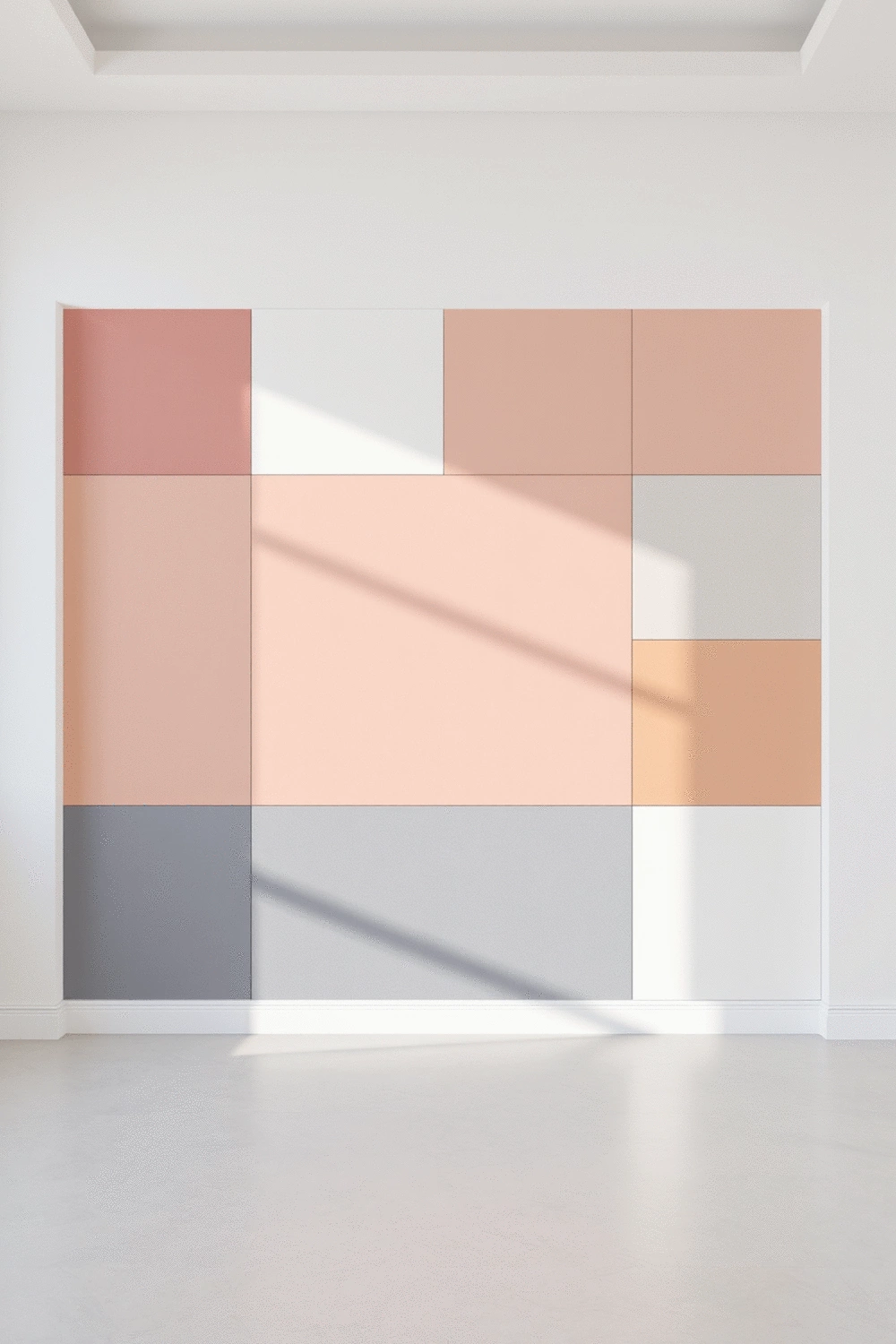
- Visual Interest: Color blocking adds dynamic elements to an otherwise plain wall.
- Creativity: It allows for endless combinations and patterns, making each design unique.
- Personalization: You can express your style and mood through color choices.
Choosing color blocking can set the tone for your entire room. It's perfect for homeowners looking to revamp their interiors without a complete overhaul. Remember, your walls are a canvas, so let your creativity shine!
The Benefits of Using Color Blocking in Interior Design
Color blocking offers a variety of benefits that can elevate your interior design game. First and foremost, it helps define different areas within a room, making it feel more organized and intentional. For instance, in an open-concept living area, you can use color blocking to visually separate the living space from the dining area.
- Enhances Mood: Different colors evoke different feelings; use this to your advantage!
- Increases Depth: Playing with color can add dimension to flat walls.
- Easy Updates: Changing colors is simpler than swapping out furniture!
Incorporating color blocking into your design not only beautifies your space but also creates a more functional living environment. I often recommend it for anyone looking to make a statement without committing to heavy renovations.
How Color Blocking Enhances Room Aesthetics and Mood Setting
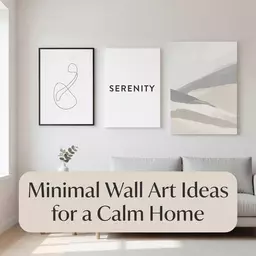
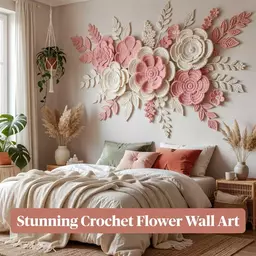
The aesthetic appeal of color blocking is undeniable. It invites guests into a conversation about your style while also making your home feel lively. Certain color combinations can be uplifting, while others can promote relaxation. For example, pairing soft pastels can create a calm oasis, perfect for bedrooms.
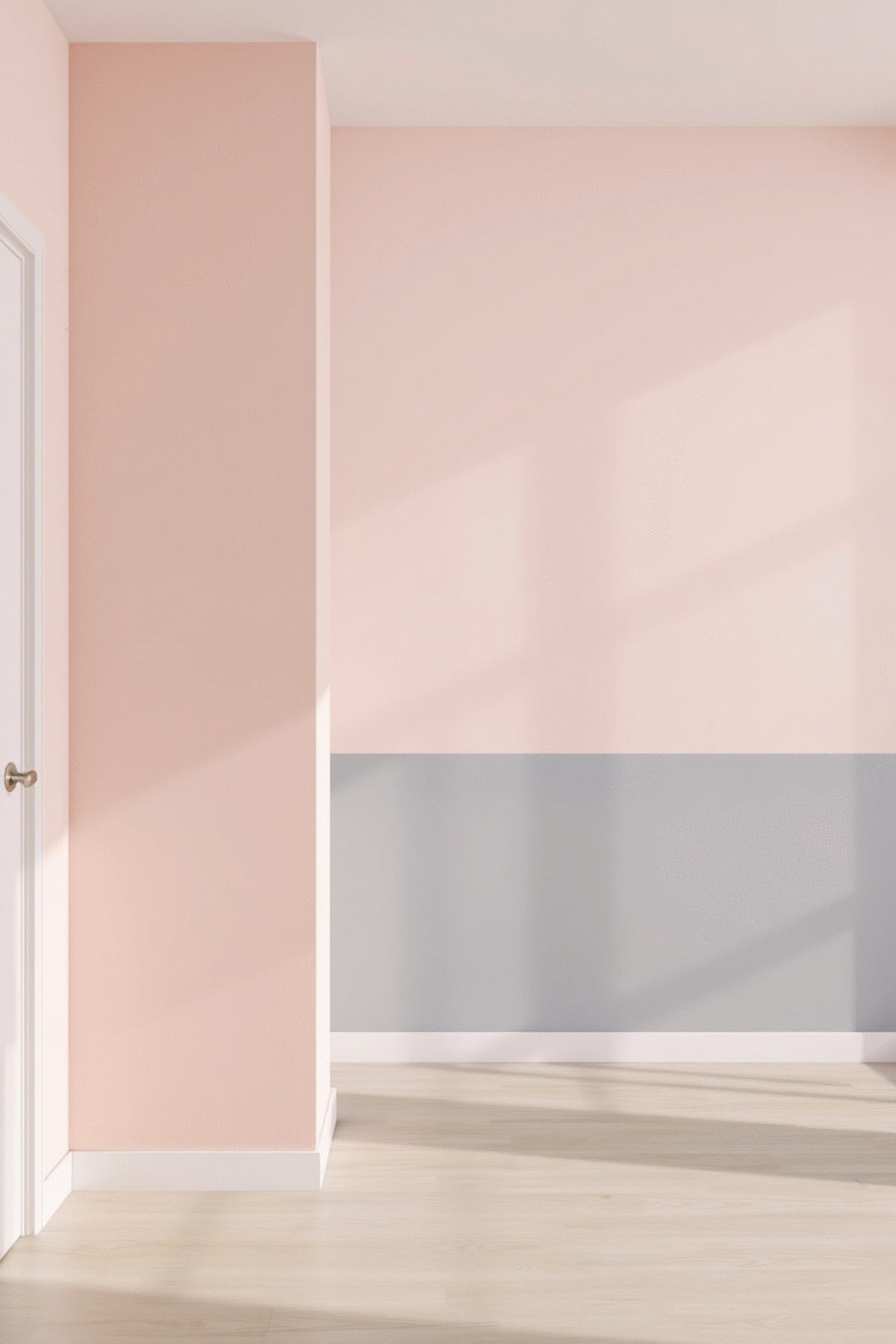
- Vibrancy: Bright colors can energize a room, making it feel more welcoming.
- Harmonization: Color blocking can help tie together various elements in your room.
- Focus: Use bold blocks to draw attention to a specific area or piece of art.
When done thoughtfully, color blocking can transform the mood of your space entirely. It's a simple yet effective way to inject life into your walls and, ultimately, your home. For more tips on choosing the right colors, check out my post on color psychology, where I dive deeper into how color affects our emotions!
Additionally, if you’re curious about how to pick a cohesive color scheme for a gallery wall, my guide on choosing the perfect color scheme will give you the inspiration you need to get started!
Frequently Asked Questions About Color Blocking
- What is color blocking in interior design?
- Color blocking is a design technique that involves combining different colors in bold, contrasting blocks on walls or other surfaces to create a striking visual impact and enhance the aesthetic appeal of a space.
- Why should I choose color blocking for my home?
- Color blocking offers numerous benefits, including adding visual interest, allowing for creative expression through endless color and pattern combinations, and personalizing your space to reflect your unique style and mood.
- How can color blocking define different areas in a room?
- By strategically using different colors in distinct blocks, you can visually separate areas within an open-concept room, making the space feel more organized and intentional. For example, you can differentiate a living area from a dining space.
- Can color blocking influence the mood of a room?
- Yes, different colors evoke specific feelings. Color blocking can be used to leverage these emotional responses, such as using bright colors to energize a room or soft pastels to create a calming oasis, thereby entirely transforming the mood of your space.
- Is color blocking suitable for small rooms?
- Absolutely! While darker shades can add intimacy, lighter shades used in color blocking can make a room feel more open and spacious. It's about strategic application to achieve the desired effect.
Summarizing Your Color Blocking Journey
As we wrap up our exploration of color blocking, it’s essential to reflect on the key takeaways that can guide you in successfully transforming your walls. Color blocking is more than just a trendy design technique; it’s a way to express your personal style while enhancing the aesthetic appeal of your space. Remember, balance is crucial! Aim for harmony between your color choices and the overall atmosphere you wish to create.
- Understand and embrace color theory to make informed choices.
- Experiment with geometric patterns or simple two-tone designs.
- Incorporate textures and accessories for added depth.
If you want to dive deeper into creating beautiful color palettes, check out my post on discovering the best color palettes for a cozy living room. It’s a great resource for finding inspiration tailored to your space!
Encouragement to Experiment with Your Style and Color Choices
Don’t shy away from experimenting with your style! It’s your home, and it should reflect who you are. Try pairing unexpected colors or layouts that resonate with you. Remember, the beauty of color blocking lies in its versatility. Whether you’re aiming for a calming pastel vibe or a bold statement, let your creativity flow!
Need help finding your perfect palette? Check out my insights on choosing the perfect color scheme for your bedroom gallery wall. It’s all about creating spaces that make you feel at home.
Moving Forward with Your Color Blocking Project
Downloadable Tools: Color Palette Checklists and Planning Guides
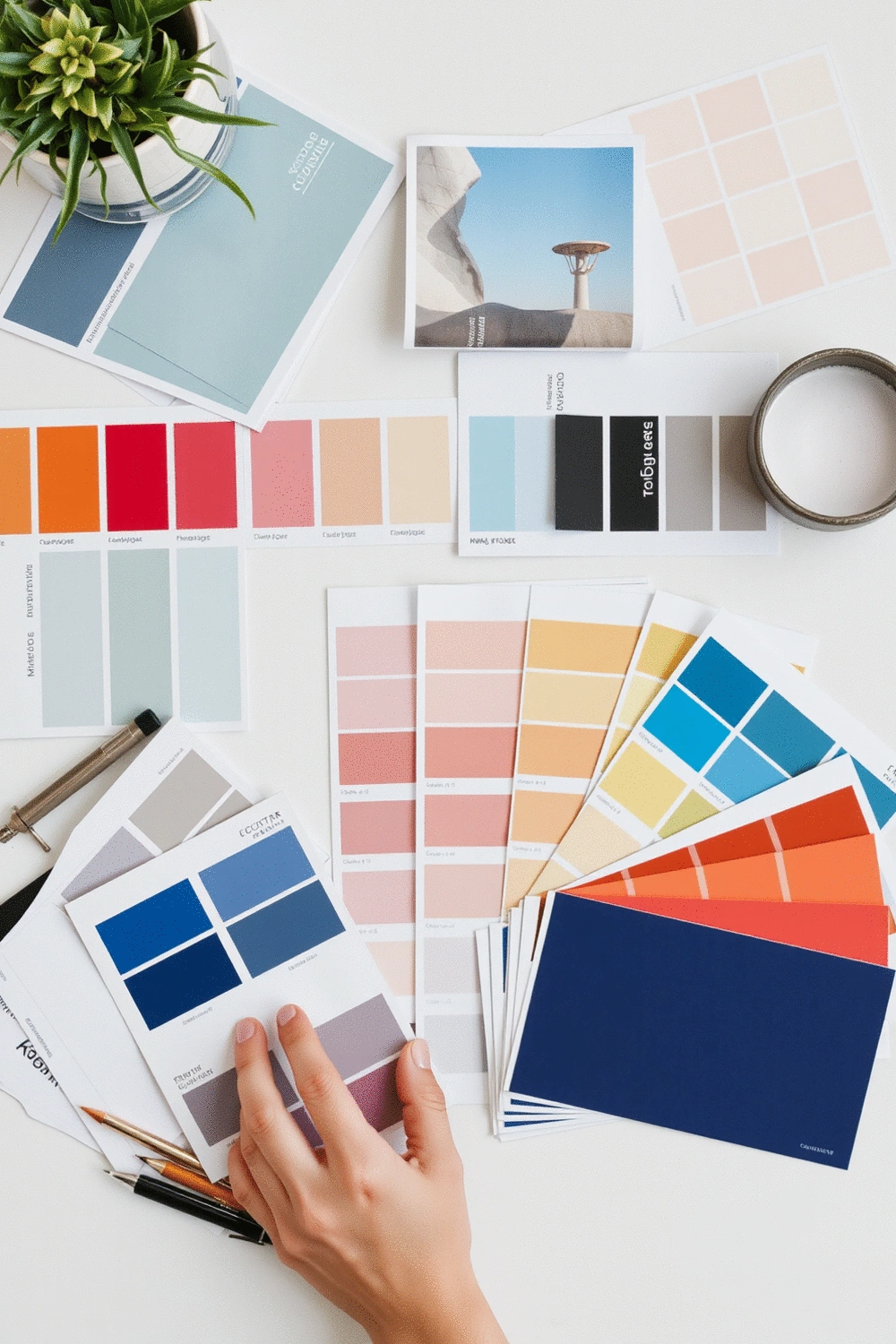
To help you on this exciting journey, I’ve created useful downloadable tools, including color palette checklists and planning guides! These tools will assist you in organizing your thoughts and ideas, ensuring you choose a color scheme that speaks to your style. Keep an eye on the resources section of my website where you can access these freebies!
For additional inspiration on making your home truly inviting, explore simple decor touches that instantly make your living room more inviting.
Final Thoughts: Creating a Stylish and Personalized Space
As you embark on your color blocking journey, remember that the ultimate goal is to create a stylish and personalized space that feels cozy and inviting. Let your walls tell a story that reflects your personality and warmth. Be open to making changes as you go, and allow your home to evolve with you.
Incorporating Wall Art and Accessories into Your Color Blocking Design
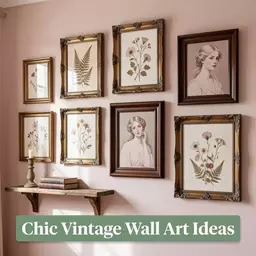
Finally, don’t forget to integrate wall art and accessories into your color-blocked designs! This can enhance your color scheme and add character to your space. Consider mixing different textures and styles to create a visually appealing arrangement. I encourage you to explore how to coordinate wall art colors with your furniture for a cohesive look. Happy decorating!
And if you're looking for peace and quiet in your personal sanctuary, discover 10 essential tips to create a peaceful sleep space.
Recap of Key Points
Here is a quick recap of the important points discussed in the article:
- Understand Color Theory: Embrace color theory to make informed choices when selecting colors for your walls.
- Experiment with Patterns: Try geometric patterns or simple two-tone designs to add visual interest to your space.
- Incorporate Textures: Use various textures and accessories to enhance depth and dimension in your color-blocked designs.
- Balance is Key: Aim for harmony between your color choices and the overall atmosphere you wish to create.
- Integrate Art and Accessories: Include wall art and accessories to complement and enhance your color scheme.