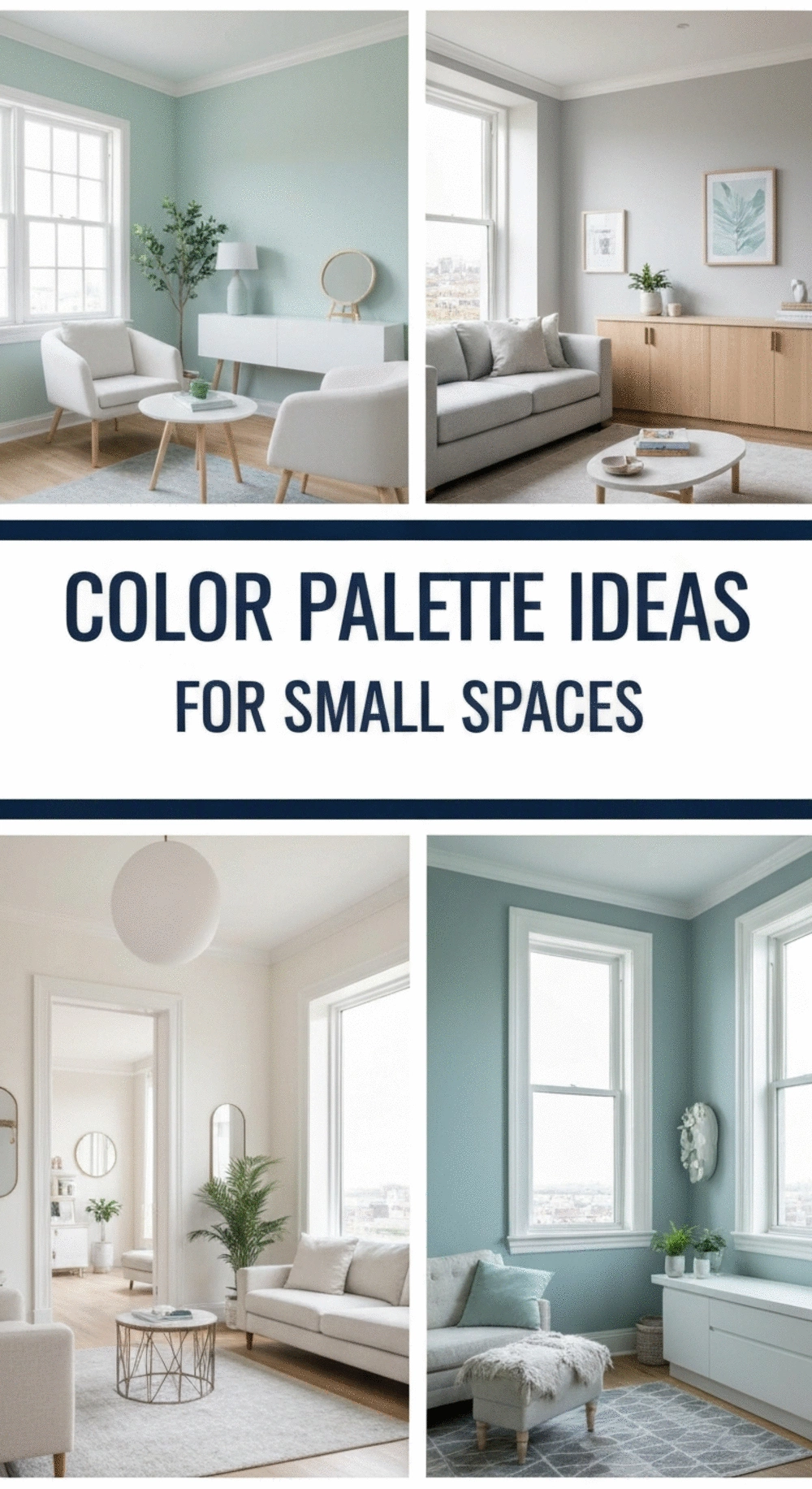
Are you ready to transform your small space into an inviting haven? Color plays a crucial role in how we perceive and experience our surroundings, especially in compact areas. With the right palette, you can create a sense of openness and tranquility, all while showcasing your unique style.
As an Amazon Associate I earn from qualifying purchases. Affiliate links may earn me a commission at no extra cost to you.
What You Will Learn
- Light colors, like soft whites and pastels, can create an illusion of spaciousness in small rooms.
- Cool shades such as blue and green help to visually recede, enhancing the feeling of openness.
- Neutral palettes promote tranquility and allow colorful decor elements to stand out.
- Using high-gloss finishes can reflect light and give the impression of a larger space.
- Accent colors can add personality without overwhelming the space, creating focal points of interest.
Enhancing Small Spaces with Color Palette Ideas
Understanding the Impact of Color on Spatial Perception
Have you ever walked into a small room and felt instantly cramped? The colors used in a space can have a profound impact on how we perceive its size. Certain hues can trick our brains into feeling as though a room is larger or more open. This is particularly important in smaller spaces, where every inch counts!
When we think about color, we often focus on how it looks, but its effect on spatial perception is equally vital. Lighter shades can make walls seem to recede, while darker tones can bring them closer. By understanding this dynamic, you can make informed choices that enhance your space!

Practical Tips for Choosing Colors That Expand Your Space
Ready to open up your small space with color? Here are some practical tips to consider:
- Choose lighter hues: Soft whites, light grays, and pale pastels can create an illusion of depth.
- Use cool colors: Shades like blue and green are calming and tend to recede visually.
- Consider high-gloss finishes: These can reflect light and create a sense of more space.
For more detailed insights on color choices, check out my post on color psychology. It's amazing how the right palette can transform your living space!
Light and Neutral Color Schemes for Small Rooms
Why Light Colors Make Small Spaces Feel Bigger
Light colors are often the unsung heroes of small room decor. Using whites, creams, and soft grays can help reflect natural light, making the space feel airy and open. Imagine stepping into a sunlit room painted in soft whites—it feels refreshing, right?
These colors create a seamless flow, which can trick the eye into perceiving a larger area. They also set a calming tone, which is essential for a cozy vibe. If you're curious about how to choose the perfect colors for your home, I recommend browsing through my guide on neutral wall colors.
The Role of Neutral Palettes in Creating Calm Spaces
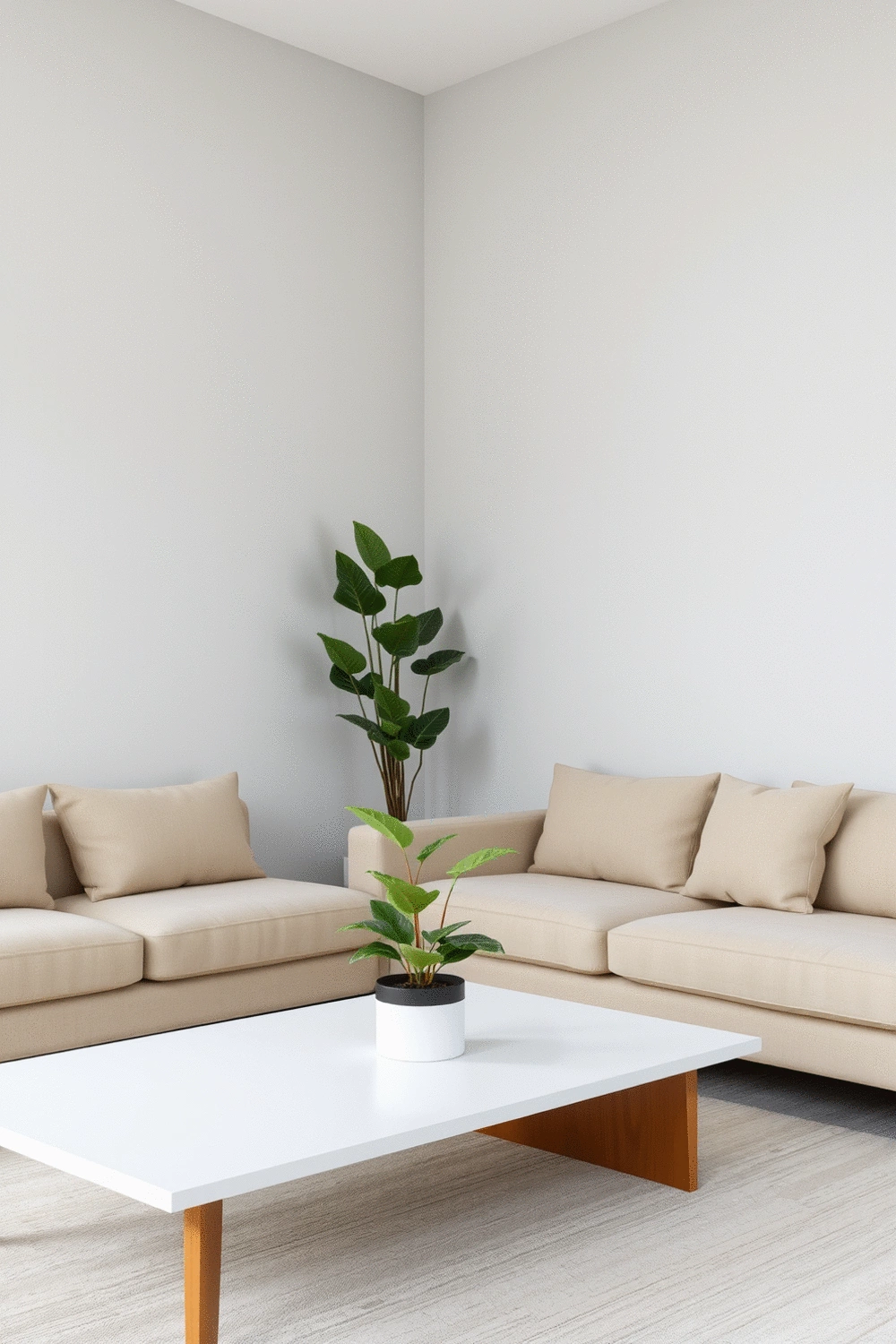
Neutral palettes serve more than just aesthetic purposes; they also promote tranquility. Shades like taupe, beige, and soft grays can create a serene environment, perfect for small rooms where you want to escape the chaos of everyday life.
Using a neutral palette can also help in highlighting decor elements, allowing colorful artwork or furnishings to pop. This approach not only enhances the beauty of your walls but creates a cohesive look throughout your space.
Incorporating Pastel Colors: Soft Touches that Open Up a Room
Pastels are a delightful way to add color without overwhelming a small room. Soft pinks, light blues, and pale yellows can bring warmth and cheer, making your space feel inviting and cozy.
- Accent with pastels: Introduce subtle pastel accents through decor items like cushions or artwork.
- Mix with neutrals: Pairing pastels with neutral tones can balance vibrancy and calmness.
- Consider ombré effects: Fade from a pastel to a neutral shade for a unique wall treatment.
For more ideas on how to use color effectively in your home, take a look at my post on pastel color palettes!
Frequently Asked Questions (FAQs)
- What colors make a small room look bigger?
Light colors such as soft whites, pale grays, and pastels create an illusion of spaciousness by reflecting light and making walls appear to recede.
- How do cool colors affect spatial perception?
Cool shades like blue and green tend to recede visually, enhancing the feeling of openness and tranquility in a small space.
- Why are neutral palettes good for small rooms?
Neutral palettes (taupe, beige, soft grays) create a serene environment, promote tranquility, and allow colorful decor elements to stand out without overwhelming the space.
- Can high-gloss finishes make a room appear larger?
Yes, high-gloss finishes reflect light, which can create a sense of more space and add a subtle illusion of depth.
- How can accent colors be used in small spaces?
Accent colors can add personality and create focal points without overwhelming the space. They can be introduced through decor items like cushions, artwork, or small furniture pieces.
Summarizing the Power of Color in Small Spaces
As we've explored, color is a fundamental element in transforming small spaces into inviting and comfortable environments. By carefully selecting your color palette, you can enhance the perception of space while creating an atmosphere that feels cozy and welcoming. Whether it's through light and neutral shades that reflect light or bold accents that add character, the right colors can really make a difference!
To recap, here are some key points we've discussed:
- Light colors like whites and soft grays can create an illusion of spaciousness.
- Neutral palettes foster tranquility, making small rooms feel more open and serene.
- Monochromatic schemes allow for depth and harmony, utilizing varying shades of a single color.
- Accent colors can serve as focal points, adding personality without overwhelming the space.
Overall, the choice of color plays a crucial role in how we experience our surroundings, especially in smaller areas. Remember, creating a cohesive and harmonious feel is what truly brings a space to life!
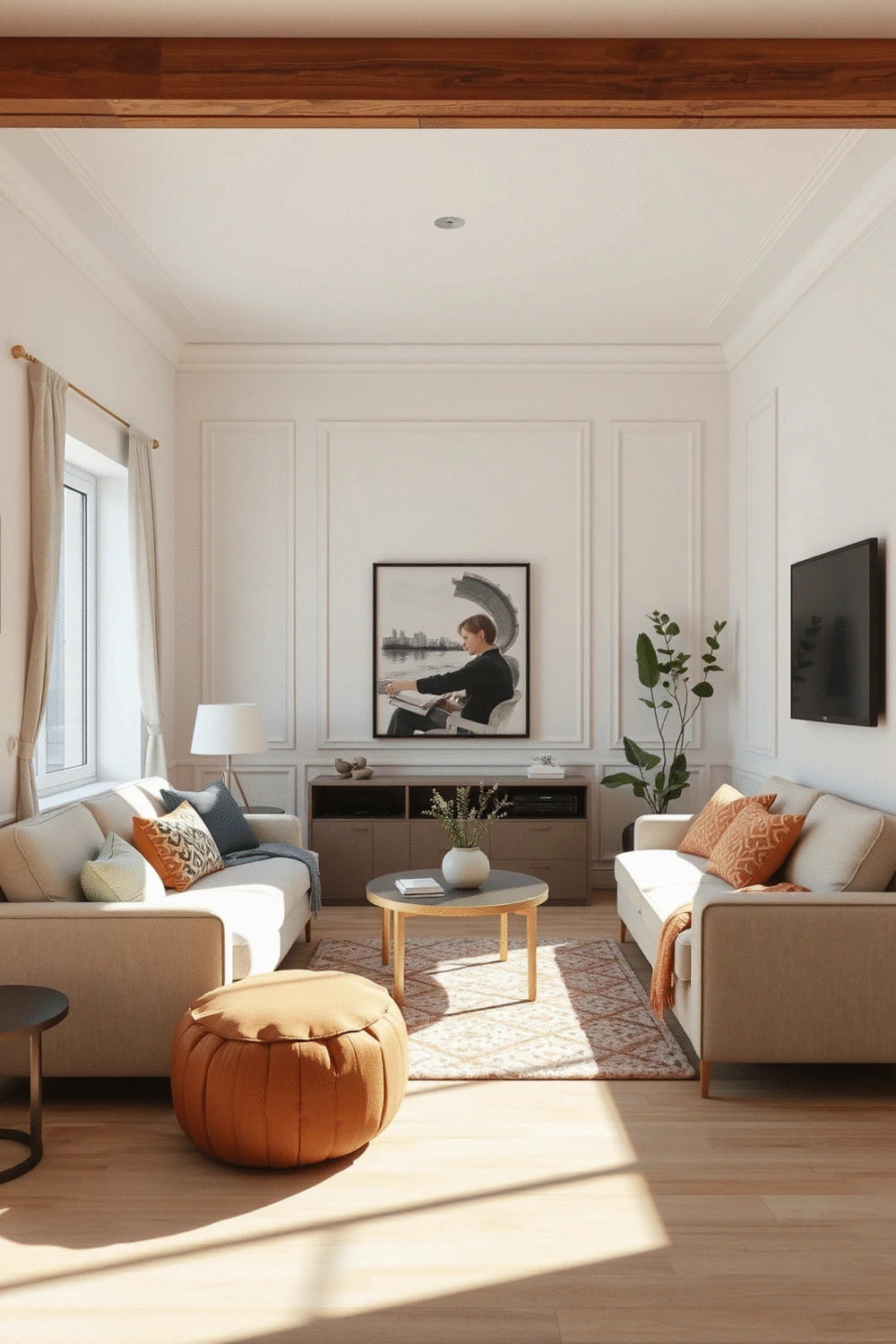
Inspiration for Your Next Small Space Project
Feeling inspired yet? I encourage you to embark on your own small space project with the insights we've discussed! When searching for ideas, consider exploring different resources for color inspiration. For instance, check out my post on color psychology tips for boosting small space mood, which dives deeper into the emotional impacts of various hues.
Additionally, if you're looking for specific color palettes that work wonders in small living areas, my post on the best color palettes for a cozy living room can provide you with some delightful combinations to consider. Don't hesitate to experiment—your walls are a blank canvas waiting to be transformed!
As you embark on this creative journey, remember that your home should reflect who you are. Embrace the colors that resonate with you, and let's make your small space a cozy haven! For further tips on making any living area more inviting, explore inviting small living room ideas. And if you're thinking about extending this cozy feeling to your sleeping quarters, check out small bedroom sleep space solutions.
Recap of Key Points
Here is a quick recap of the important points discussed in the article:
- Light colors like whites and soft grays can create an illusion of spaciousness.
- Neutral palettes foster tranquility, making small rooms feel more open and serene.
- Monochromatic schemes allow for depth and harmony, utilizing varying shades of a single color.
- Accent colors can serve as focal points, adding personality without overwhelming the space.