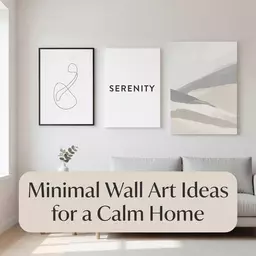

Are you aware that the lighting in your home can dramatically impact your mood and the overall ambiance? Understanding how to navigate these challenges, particularly in north-facing rooms, is essential for creating a cozy and inviting space.
As an Amazon Associate I earn from qualifying purchases. Affiliate links may earn me a commission at no extra cost to you.
What You Will Learn
- North-facing rooms receive cooler, softer light, which can affect color perception and overall room atmosphere.
- Utilizing warmer undertones in paint and decor can balance the cooler light, making the space feel more inviting.
- The Light Reflectance Value (LRV) is crucial; higher LRV colors reflect more light, enhancing brightness in dim spaces.
- Incorporating contrasting finishes and trim can add depth, helping to create a dynamic visual interest in your design.
Understanding the Lighting Challenges of North-Facing Rooms
North-facing rooms often present unique lighting challenges that can significantly affect the overall atmosphere of your home. The natural light here tends to be cooler and less intense, which can lead to a somewhat gloomy feel if not addressed properly. Understanding these nuances is crucial when it comes to selecting the right decor and wall art that complements the lighting.
While some may cherish the calm and muted quality of north-facing light, it can sometimes feel flat. If you're looking to transform your north-facing space into a cozy haven, it’s essential to embrace the cooler tones while also infusing warmth through your decor choices.
How Natural Light Differs in North-Facing Spaces
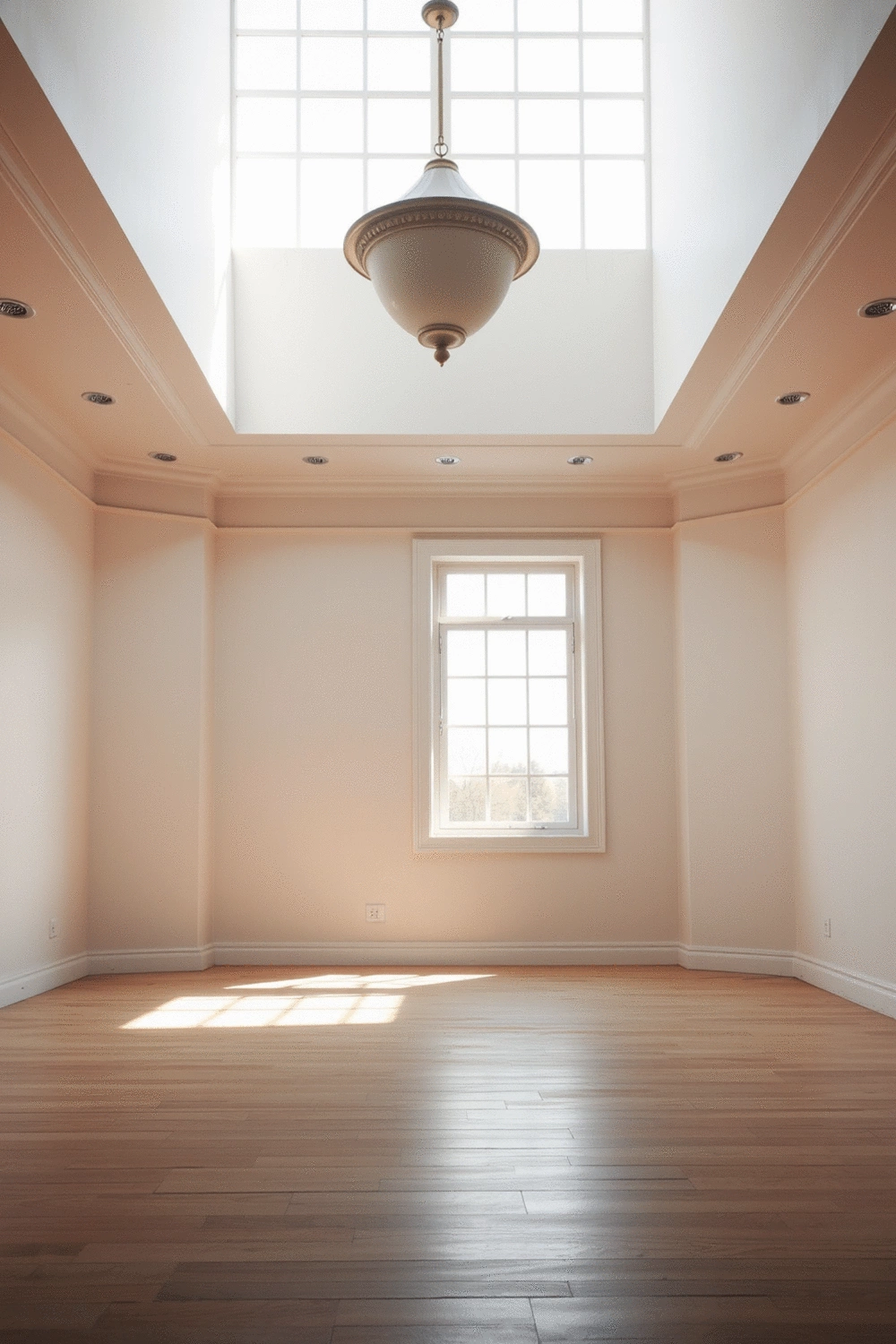
The quality of light in north-facing rooms is distinctively different compared to those facing south or west. This light is often described as soft and diffused, which can create a serene ambiance but can also make colors appear dull. For example, whites may look grey, and warmer hues may lack vibrancy.
- Cooler tones: North-facing light has a blue hue, which is less flattering for certain color palettes.
- Soft shadows: The gentle shadows can enhance textures, but they may also require careful consideration of color placement.
- Time of day: The light changes throughout the day, so a morning glow can be different from late afternoon light.
To make the most out of this lighting, consider using paint colors and decor that can enhance the gentle glow rather than compete with it. If you’re curious about how to effectively choose colors for your walls, check out my post on choosing the perfect color scheme for your bedroom gallery wall.
The Impact of Light Reflectance Value (LRV) on Color Selection
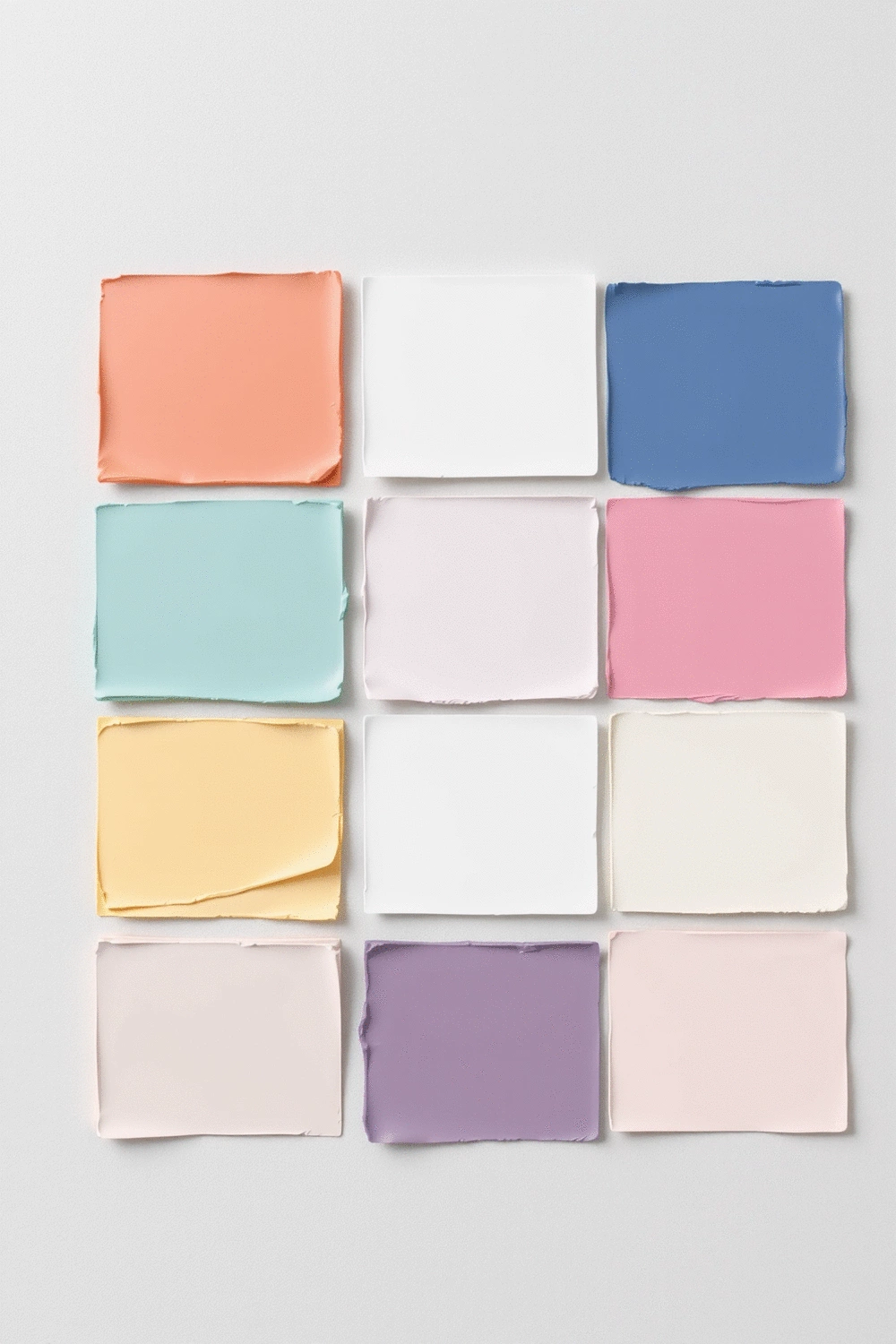
Light Reflectance Value (LRV) is a critical concept in interior design, especially when dealing with less illuminated spaces like north-facing rooms. LRV measures the amount of light that a color reflects; a higher LRV means more light is bounced back into the room, brightening the atmosphere.
- High LRV colors: Whites and light pastels can significantly enhance the feeling of spaciousness.
- Low LRV colors: Darker shades can absorb light, making the room feel even dimmer.
- Choosing wisely: It's essential to consider both the LRV and the light source when selecting paint colors.
For practical insights on how color can affect your room’s mood, be sure to read my article about color psychology tips for boosting small space mood. This will provide a deeper understanding of how your color choices can enhance the ambiance of your home.
Recap of Key Considerations for Painting North-Facing Rooms
When it comes to painting north-facing rooms, there are several important factors to keep in mind. Firstly, the Light Reflectance Value (LRV) plays a critical role in how colors appear in these spaces. Choosing colors with warm undertones can significantly enhance the ambiance, making the room feel more inviting and cozy. Additionally, understanding color psychology helps in selecting shades that positively affect mood and functionality.
Accents and finishes are equally vital; they add depth and dimension to your designs. For example, using semi-gloss finishes can reflect light better than matte ones, creating a brighter environment. Incorporating contrasting trim colors can also enhance the overall design, making your walls pop while maintaining a harmonious look. Remember, it's all about finding the right balance that complements your personal style!
Frequently Asked Questions
- What are the main lighting challenges in north-facing rooms?
- North-facing rooms receive cooler, less intense natural light, which can make colors appear dull and the room feel gloomy or flat if not properly addressed.
- How does natural light in north-facing rooms differ from other rooms?
- The light is typically soft, diffused, and has a blue hue. This can make whites look grey and warmer colors less vibrant, unlike the direct, warmer light from south or west-facing rooms.
- What is Light Reflectance Value (LRV) and why is it important for north-facing rooms?
- LRV measures how much light a color reflects. For north-facing rooms, choosing colors with a higher LRV (like whites and light pastels) is crucial to reflect more light and make the space feel brighter and more spacious.
- What kind of paint colors should I choose for a north-facing room?
- It's recommended to choose paint colors with warm undertones to counteract the cool natural light. High LRV colors can also help brighten the space.
- How can accents and finishes improve the look of a north-facing room?
- Accents and finishes add depth and dimension. Semi-gloss finishes reflect more light than matte ones, and contrasting trim colors can make walls pop and enhance the overall design, creating visual interest.

Encouragement to Start Your Painting Project
Now that we've covered the essentials of painting north-facing rooms, I encourage you to dive into your painting project! This is your chance to explore colors and finishes that resonate with your personal vibe. Don’t hesitate to let your creativity shine, whether you lean towards warm hues or prefer a more neutral palette. After all, your space should reflect who you are!
Taking the Next Steps in Your Painting Journey
As you embark on this exciting journey, I invite you to share your experiences in the comments below! What colors are you considering? If you have questions about color schemes or painting techniques, feel free to ask. Engaging with others can spark new ideas and foster a supportive community. And if you're looking for further inspiration, check out my post on color psychology tips for boosting small space mood or explore inviting living room lighting ideas for cozy ambiance. For those interested in creating serene sleeping environments, you might also find valuable tips in my article on 7 best bedroom lighting ideas for relaxing sleep. Let’s create cozy, inviting spaces together!
Recap of Key Points
Here is a quick recap of the important points discussed in the article:
- North-facing rooms have cooler, diffused light that can affect color perception and overall ambiance.
- Selecting paint colors with warm undertones can enhance the inviting feel of these spaces.
- Light Reflectance Value (LRV) is crucial; higher LRV colors will make the room feel brighter and more spacious.
- Incorporating accents and finishes wisely can add depth and vibrancy to your decor.
- Choosing colors that resonate with your personal style is essential for creating a cozy and inviting atmosphere.