
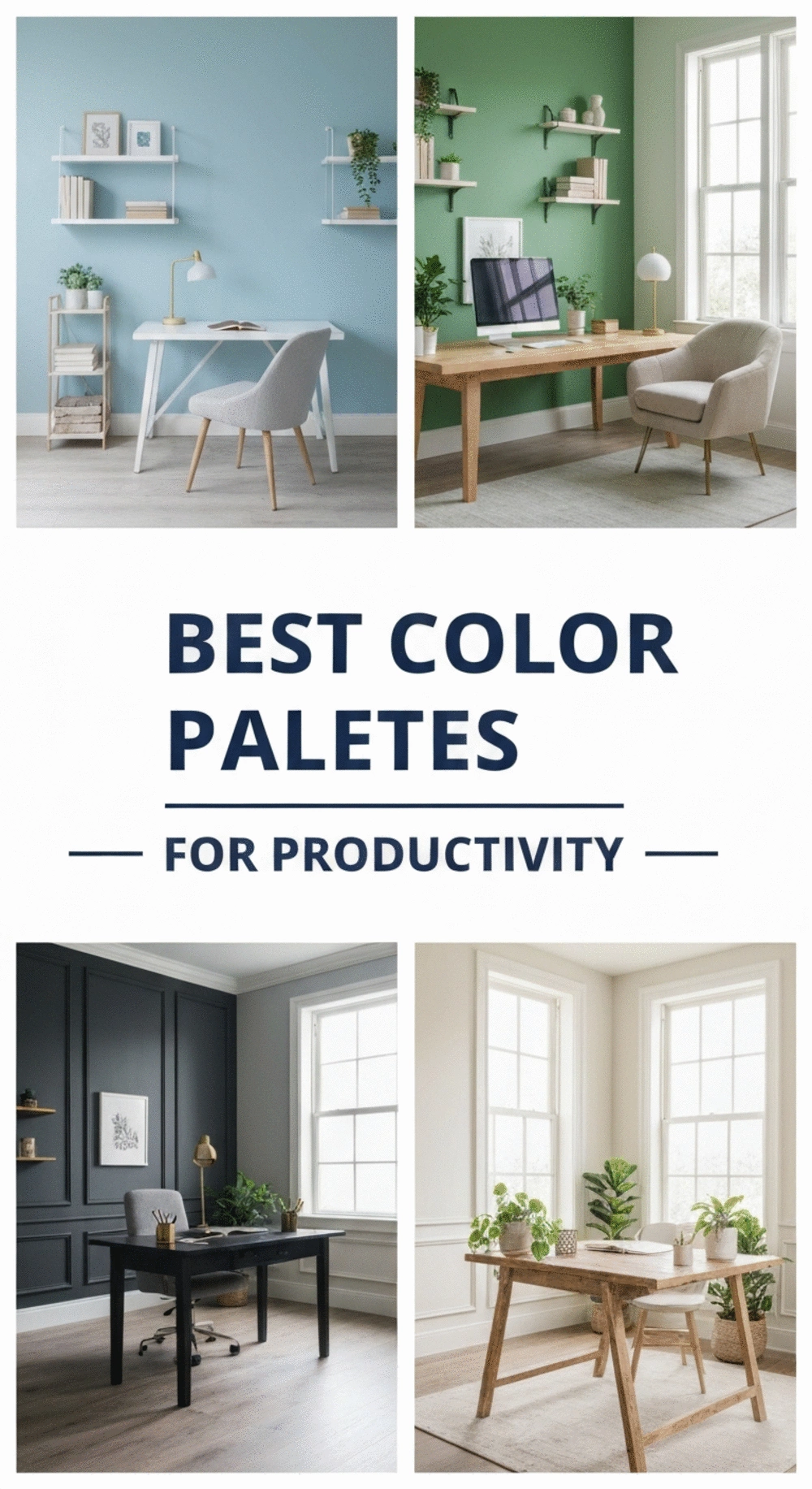
What if the colors in your home office could boost your productivity and creativity? Choosing the right hues isn't just about aesthetics; it's a powerful tool rooted in psychology that can transform your workspace into a haven of inspiration and efficiency.
As an Amazon Associate I earn from qualifying purchases. Affiliate links may earn me a commission at no extra cost to you.
What You Will Learn
- Understanding color psychology can enhance your mood and productivity in your home office.
- Bright colors like yellow can uplift your spirits, while blue shades promote calmness and focus.
- Tailoring your color choices to your work style can significantly affect your efficiency and creativity.
- Lighting plays a key role in how colors appear; consider your environment when selecting a color palette.
Understanding the Importance of Color in Home Office Environments
As a passionate interior design enthusiast, I truly believe that the colors we choose for our home office can significantly affect our productivity and overall well-being. Imagine stepping into a workspace filled with colors that inspire you—where every hue contributes to an inviting atmosphere that encourages creativity and focus. This connection between color and our mood is not just a matter of preference; it's deeply rooted in psychology.
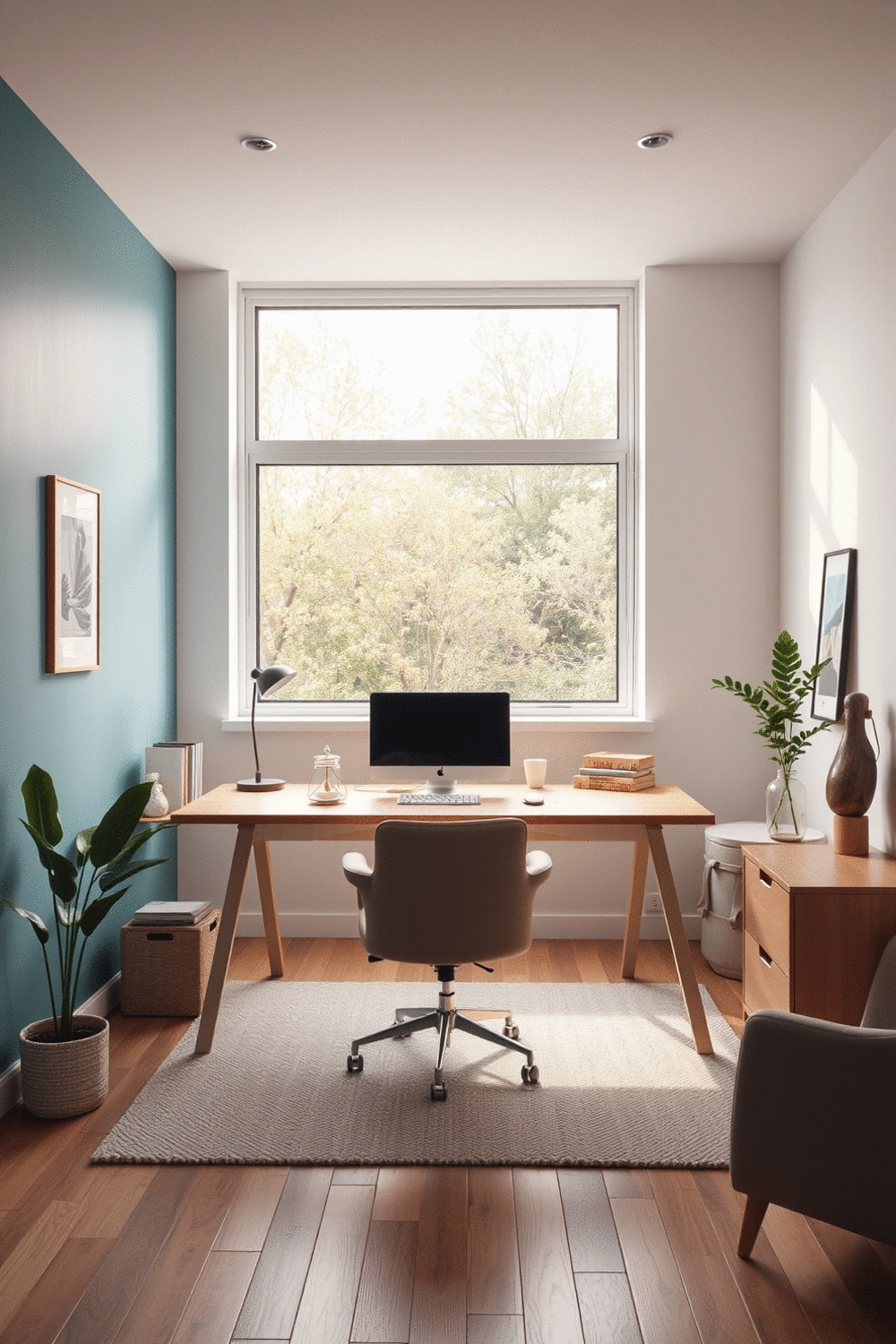
When we're surrounded by colors that resonate with our personal style and emotional needs, we tend to feel more at ease and motivated. In a home office, where we often spend considerable time, the right colors can enhance our efficiency, making a workspace feel less like a chore and more like a sanctuary for creativity!
How Color Choices Influence Productivity and Well-being
Choosing the right colors for your home office can dramatically impact your day-to-day experience. Here are some key ways color choices can influence productivity and well-being:
- Mood Enhancement: Bright, warm colors like yellow can boost your spirits, while cool colors such as blue can create a calming effect.
- Focus Improvement: Certain colors help to enhance concentration, making it easier to tackle tasks without distraction.
- Stress Reduction: Soft, muted colors can help reduce anxiety, creating a more peaceful working environment.
By being intentional with your color choices, you can curate a home office that not only looks great but also feels great to work in. Consider how different colors make you feel, and choose those that align with your desired work environment.
The Role of Color Psychology in Enhancing Focus and Creativity
Color psychology plays a vital role in how we perceive our surroundings and influences our emotional responses. Understanding this can help you create a workspace that promotes focus and creativity. Here are some insights into how color psychology can enhance your home office:
- Blue: Often associated with productivity, blue can help calm the mind and improve concentration—perfect for those long work hours!
- Yellow: This uplifting color can spur creativity and innovation; it's ideal for brainstorming sessions.
- Green: As a color of nature, green is soothing and can reduce fatigue, making it easier to sustain focus over long periods.
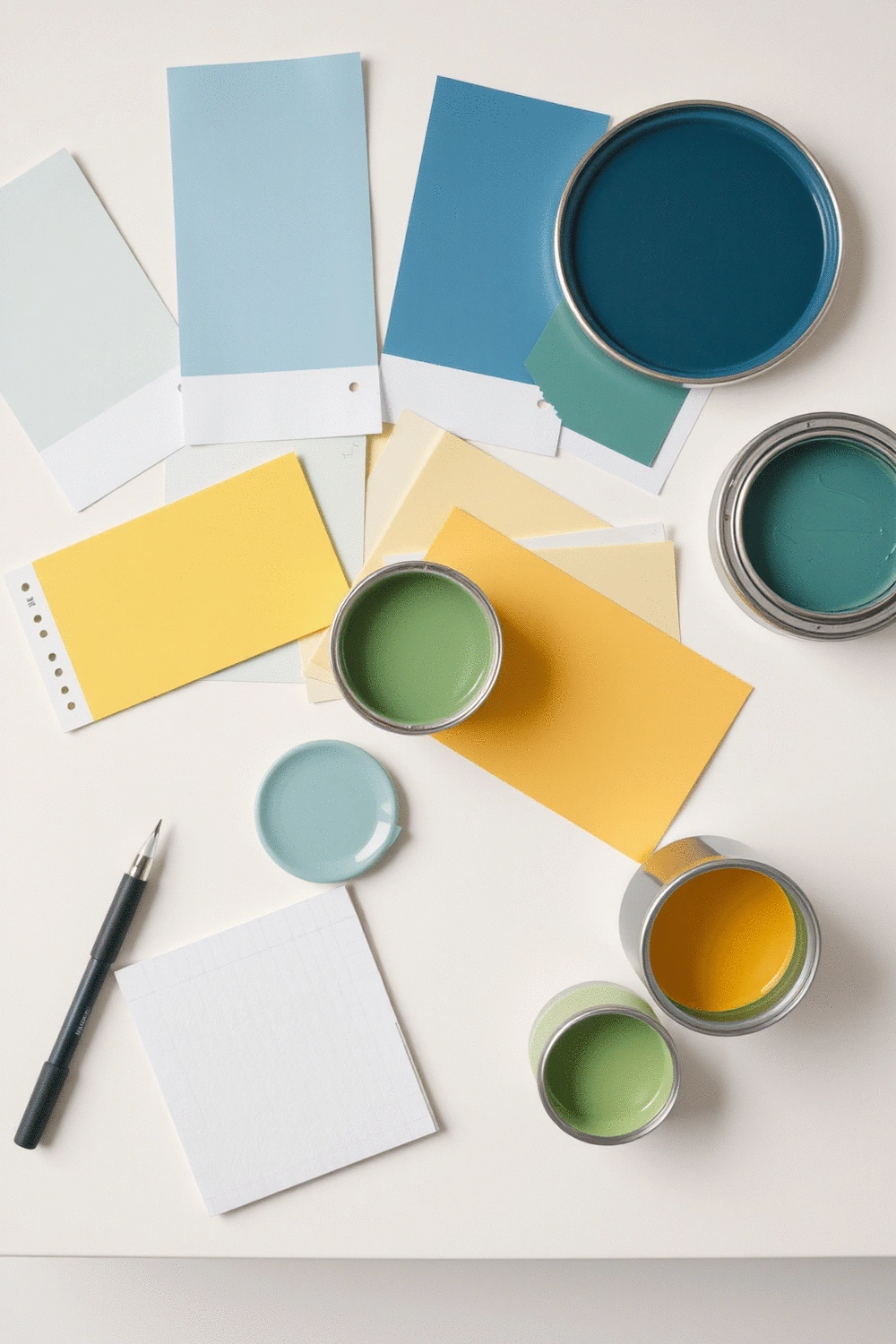
As you think about your home office's color scheme, remember that your choices should reflect your personality and working style. If you love vibrant colors, don't shy away from incorporating them—just balance them with some calming tones to ensure your space remains inviting. For more inspiration, check out my post on color psychology tips that can enhance your workspace! You might also find valuable insights on incorporating biophilic design for an even more harmonious environment.
Frequently Asked Questions About Home Office Colors
Here are some common questions about using color psychology in your home office:
- Q: How do colors in my home office affect my productivity?
A: Colors significantly influence mood and focus. Bright colors can enhance mood, cool colors can calm and improve concentration, and soft colors can reduce stress, all contributing to better productivity. - Q: Which colors are best for boosting creativity?
A: Yellow is often associated with creativity and innovation, making it an excellent choice for areas where you brainstorm or engage in creative tasks. - Q: What colors promote focus and concentration?
A: Blue is widely known to aid concentration and calm the mind, while green can reduce fatigue, helping you maintain focus for longer periods. - Q: Should my color choices reflect my personal style or work needs?
A: Ideally, your color choices should reflect both. While personal preference makes your space enjoyable, aligning colors with your work style (e.g., vibrant for creative work, subdued for administrative tasks) can optimize performance. - Q: How does lighting impact the appearance of colors in a home office?
A: Both natural and artificial light can drastically change how colors are perceived. It’s crucial to assess your lighting conditions before committing to a color palette to ensure the colors appear as intended.
Summarizing the Impact of Color Choices on Work Performance
As we wrap up our exploration of color in home office design, it's clear that color choices significantly impact work performance. Choosing the right colors can foster an atmosphere that encourages productivity and creativity. Whether you prefer the calming hues of blue and green or the energizing tones of yellow and orange, each shade carries unique benefits that can enhance your workspace.
Here are a few key takeaways to consider when designing your productive home office:
- Understand Color Psychology: Recognize how different colors can influence your mood and work efficiency.
- Tailor Colors to Your Work Style: Choose colors that align with your professional role—creative jobs may thrive with vibrant tones, while administrative tasks may benefit from more subdued shades.
- Factor in Lighting: Both natural and artificial light can dramatically alter how colors appear, so assess your lighting conditions before committing to a palette.
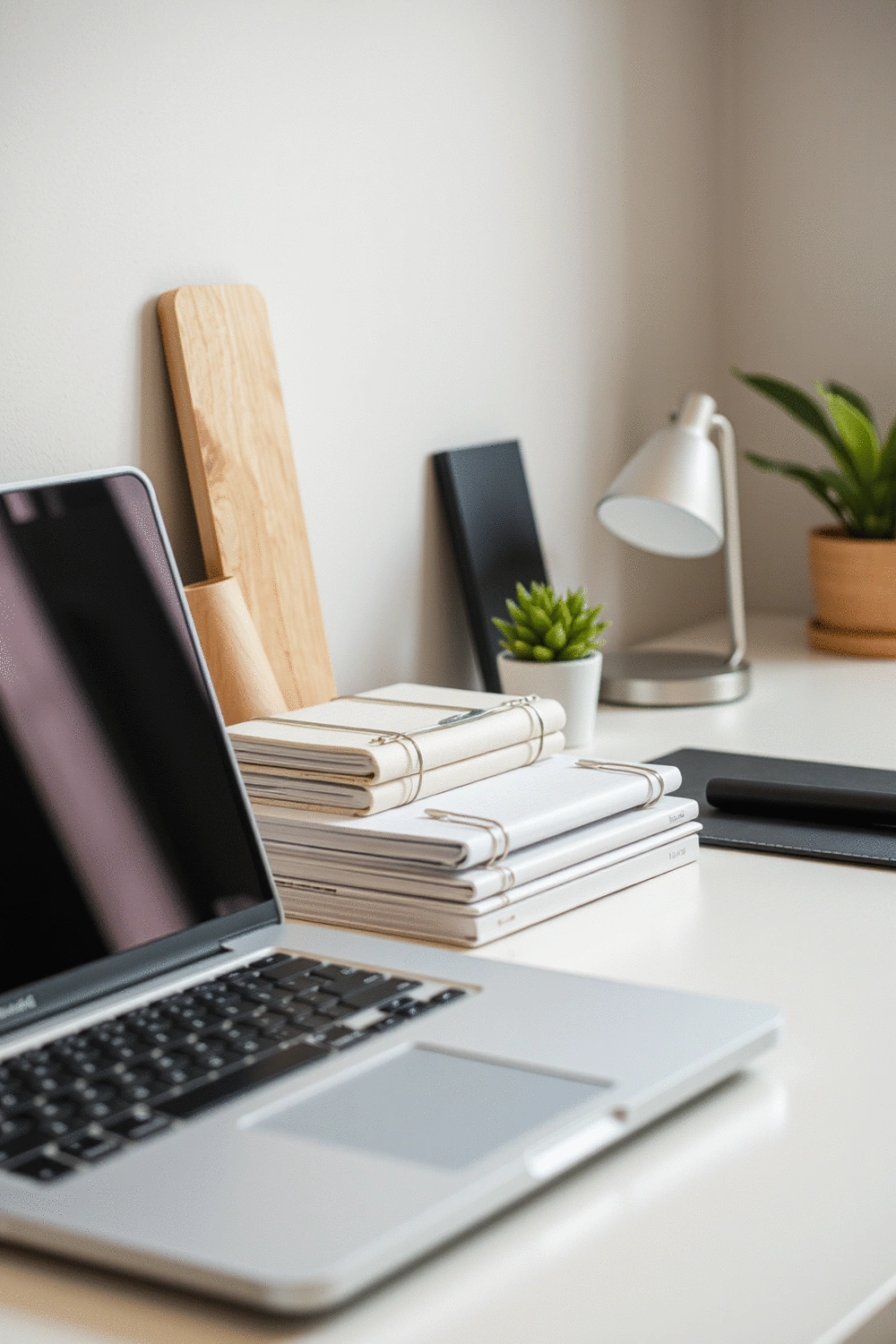
Key Takeaways for Designing Your Productive Home Office
To create an inspiring workspace, I urge you to be intentional about your color selections. For instance, if you’re keen on a cozy environment, consider exploring my post on color psychology tips for boosting small space mood. This can deepen your understanding of how to layer colors effectively.
Additionally, integrating a blend of colors can invigorate your office while maintaining comfort. If you’re curious about how to mix and match colors for a gallery wall, check out my post on mixing colors for a gallery wall. This can add a personal touch to your workspace! For more ideas on creating an inviting space, explore tips on designing cozy spaces.
Encouraging Practical Application of Color Psychology
Next Steps: Applying Your Knowledge to Create an Inspiring Workspace
Now that you’re equipped with insights about color, it’s time to take action! Start by envisioning how your ideal workspace would feel. Would you prefer tranquil blues or lively yellows? Take some time to gather samples, create mood boards, and visualize your chosen palette. Remember, the essence of your workspace should reflect your unique style and promote a sense of comfort.
Inviting Feedback and Sharing Your Color Experiences
I love hearing from my readers! After you’ve created your perfect workspace, consider sharing your experiences with colors. What worked for you? What challenges did you face? Engaging with our community helps us all learn and grow! I encourage you to drop a comment or reach out via our contact form to share your thoughts and photos of your newly decorated space.
Recap of Key Points
Here is a quick recap of the important points discussed in the article:
- Mood Enhancement: Bright, warm colors can boost spirits, while cool colors create a calming effect.
- Focus Improvement: Certain colors enhance concentration, helping you tackle tasks without distraction.
- Stress Reduction: Soft, muted colors help reduce anxiety, creating a peaceful working environment.
- Understand Color Psychology: Different colors influence mood and work efficiency—choose wisely.
- Tailor Colors to Your Work Style: Align colors with your professional role for maximum benefit.
- Factor in Lighting: Assess how natural and artificial light affects color appearance in your workspace.